

Regenerative travel
Regenerative travel is becoming one of the most important concepts in the future of tourism, hospitality and destination management. But to understand its real meaning, we must move beyond the idea that it is simply a more attractive version of sustainable travel.
Regenerative travel is not about planting trees, removing plastic bottles or offering local food on a hotel menu. Those actions may be valuable, but they are not enough.
Regenerative travel is a deeper transformation in the way tourism relates to the places, ecosystems, communities and cultures that make travel possible.
For decades, the global tourism industry has worked under the language of sustainability: reduce harm, save water, lower emissions, minimise waste, respect local people and protect natural and cultural heritage. These principles remain essential. A hotel or destination that cannot manage its environmental and social impacts cannot credibly speak about regeneration.
However, sustainability alone is no longer sufficient.
The question facing tourism today is not only: how can we reduce our negative impact?
The more important question is: how can travel actively improve the places it touches?
In simple terms, regenerative travel is travel that helps places thrive.
At Regenera Luxury, we believe this concept must now move from inspiration to implementation. Regenerative travel must become visible in regenerative hotels, measurable in regenerative destinations and credible -beyond marketing- through technical frameworks, independent audits, certification, indicators and long-term management systems.
This is where the real transformation lies.
Why regenerative travel matters now
Tourism is one of the most influential economic and social forces in the world. According to the World Travel & Tourism Council, Travel & Tourism reached a record global GDP contribution of US$11.6 trillion in 2025, representing 9.8% of the global economy and supporting 366 million jobs worldwide.
This scale confirms the power of tourism. But it also confirms its responsibility.
Tourism creates employment, investment, cultural exchange and local development. But when poorly managed, it can also contribute to emissions, biodiversity loss, water stress, waste, cultural commodification, overcrowding and social inequality.
A 2024 study published in Nature Communications estimated that global tourism emissions reached 5.2 Gt CO₂-e in 2019, representing 8.8% of global greenhouse gas emissions. The same study found that tourism emissions grew at 3.5% per year between 2009 and 2019, twice the rate of the global economy.
These figures show that tourism cannot continue with incremental change alone. The sector must decarbonise, but it must also regenerate.
Climate action is essential, but regenerative travel is broader than climate. It also addresses water, biodiversity, local supply chains, community wellbeing, cultural heritage, employment quality, food systems, guest education and destination resilience.
A destination is not just a product. It is a living system.
If coral reefs decline, coastal tourism suffers. If local communities are displaced, the destination loses authenticity. If cultural heritage becomes a performance detached from local people, the guest experience becomes shallow. If hotels import most of their food, labour and materials, tourism value leaks out of the destination. If employees are not trained, valued or included, hospitality loses dignity.
Regenerative travel versus sustainable tourism
Sustainable tourism and regenerative travel are connected, but they are not the same.
Sustainable tourism focuses mainly on reducing negative impact. It asks how tourism can use fewer resources, produce less waste, emit less carbon and create fewer social and cultural disruptions.
Regenerative travel includes these goals, but goes further. It asks how tourism can create measurable positive impact.
Sustainable tourism asks:
How do we preserve what exists?
Regenerative travel asks:
How do we help the whole system become healthier?
This difference is fundamental.
A sustainable hotel may reduce water consumption. A regenerative hotel will also ask how it contributes to watershed health, water reuse, local water awareness and long-term water resilience.
A sustainable hotel may buy from local suppliers. A regenerative hotel will also ask whether those suppliers are receiving fair value, whether local food traditions are being strengthened, whether regenerative agriculture is supported and whether the guest experience helps tell the story of the local food system.
A sustainable destination may control visitor numbers. A regenerative destination will also ask whether residents benefit from tourism, whether cultural identity is protected, whether ecosystem health is improving and whether tourism strengthens the long-term quality of life of the place.
Sustainability is the foundation. Regeneration is the next level of responsibility, the natural evolution aligned to current global needs. It must be done through education, reliable management processes and data to avoid greenwashing.
From regenerative travel to regenerative hotels
The concept of regenerative travel becomes operational through regenerative hotels.
A regenerative hotel is not simply a hotel with sustainable amenities. It is not defined only by solar panels, refillable bottles, organic toiletries or a sustainability page on a website.
A regenerative hotel is a hospitality business that actively contributes to the renewal of the place where it operates.
This means it should be able to demonstrate progress across multiple dimensions:
- ecosystem restoration and biodiversity protection;
- carbon reduction and renewable energy transition;
- water stewardship and circular resource use;
- local procurement and fair supply chains;
- community participation and shared economic value;
- cultural heritage protection and authentic storytelling;
- employee wellbeing, training and dignity;
- guest education and transformation;
- ethical communication and anti-greenwashing;
- long-term destination resilience.
This is why regenerative hotels require a technical management approach. They need KPIs, audits, governance, training, operational protocols, supplier engagement, community dialogue and continuous improvement.
A regenerative hotel is not only a beautiful place to stay. It is a living contributor to its destination.
At Regenera Luxury, this is one of our core areas of work. We support boutique hotels, retreats, heritage hotels, nature lodges and wellness properties in moving from sustainability commitments to measurable regenerative performance.
This requires multidisciplinary expertise. Regenera Luxury is not a travel agency, a PR platform or a lifestyle label. It is a technical, multidisciplinary organisation bringing together expertise in hospitality management, regenerative tourism, sustainability standards, certification, auditing, architecture, biodiversity, wellness, community impact, cultural heritage, education, marketing strategy and hotel revenue positioning.
This combination is essential because regeneration cannot be solved by one discipline alone.
Regenerative hotels need operational intelligence, ecological literacy, cultural sensitivity, social-impact measurement and luxury-hospitality excellence.
Real examples: regenerative hotels in the Regenera Luxury ecosystem
The movement toward regenerative travel becomes credible when it is visible and verified in real hotels and retreats. Within the Regenera Luxury ecosystem, numerous properties in 4 continents illustrate how regenerative hotels can take different forms depending on their destination, heritage, ecosystem and guest experience.
These featured examples are at different stages, including certified properties, hotels progressing through certification or properties actively engaged in the Regenera Luxury ecosistem.
.
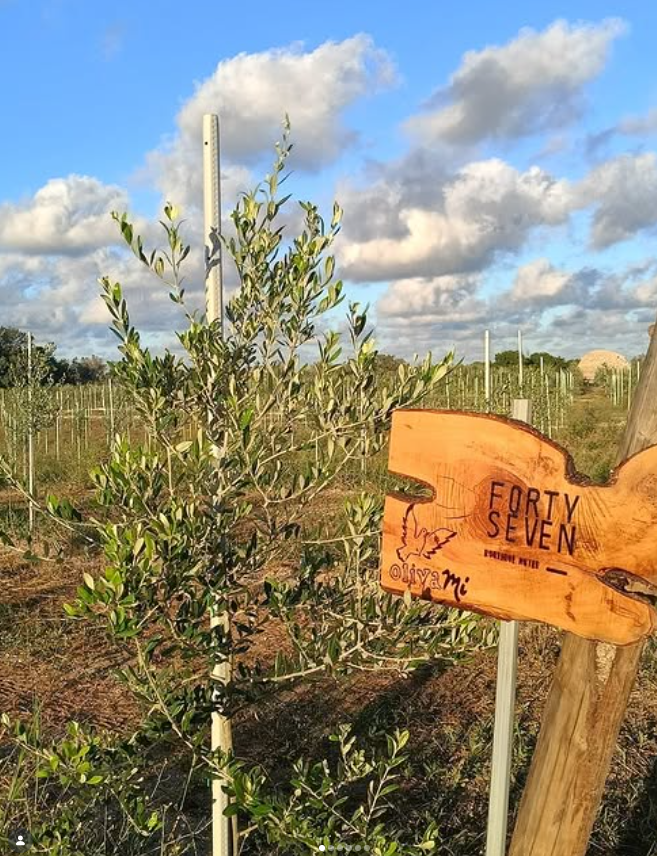
Hotel FortySeven, Rome: urban regeneration through heritage, culture and hospitality excellence
Hotel FortySeven in Rome is progressing through the Regenera Luxury audit process. Its case is important because it demonstrates that regenerative hospitality is not limited to remote eco-lodges or nature retreats.
Rome is one of the world’s most culturally significant cities. In such a context, regeneration must include cultural heritage, urban identity, local gastronomy, responsible operations, guest education and the preservation of place-based value.
Hotel FortySeven represents an urban pathway into regenerative hotels: one in which luxury hospitality can contribute to cultural continuity, responsible city tourism and a more conscious relationship between visitors and heritage destinations.

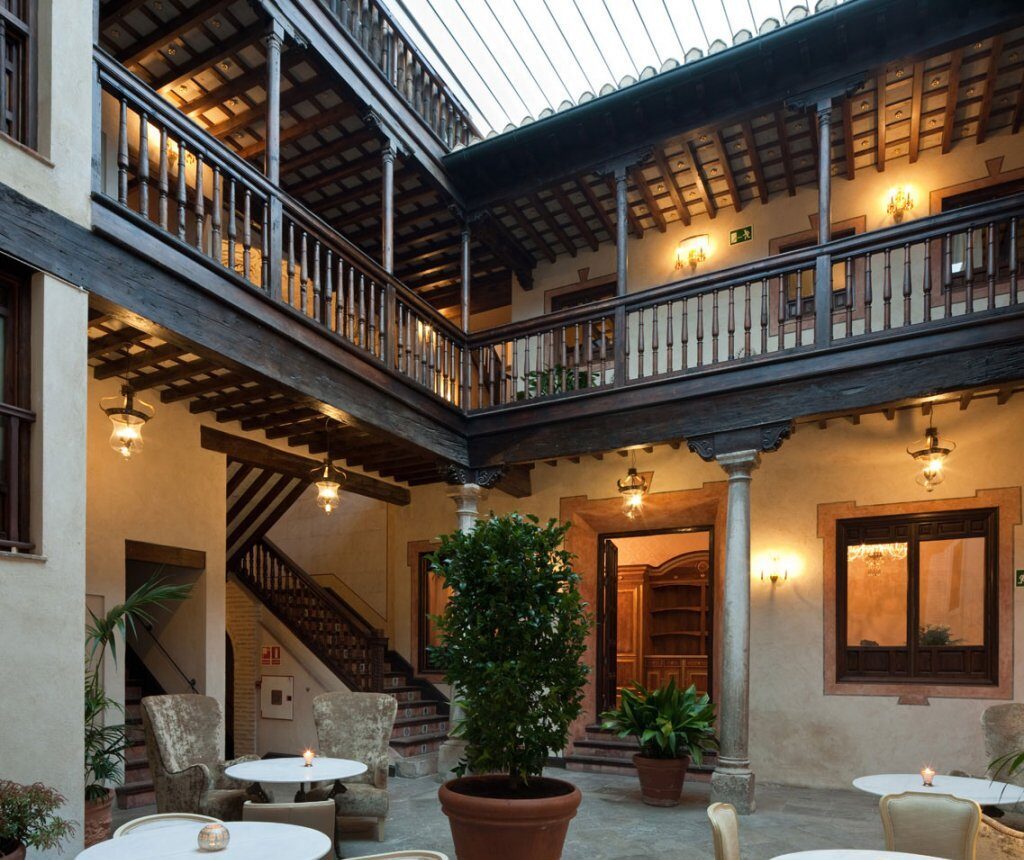
CASA 1800 Granada: heritage as a regenerative asset
CASA 1800 Granada shows how a historic boutique hotel can become part of a regenerative travel strategy through cultural preservation, architectural identity and local sense of place.
Located in Granada, close to one of Spain’s most iconic heritage landscapes, the property demonstrates that regeneration is not only ecological. It is also cultural.
In heritage cities, regenerative hotels must help protect memory, architecture, craftsmanship, local identity and the emotional value of place. CASA 1800 Granada, through its Regenera Luxury certification process, illustrates how boutique hospitality can move beyond accommodation and become a guardian of cultural continuity.

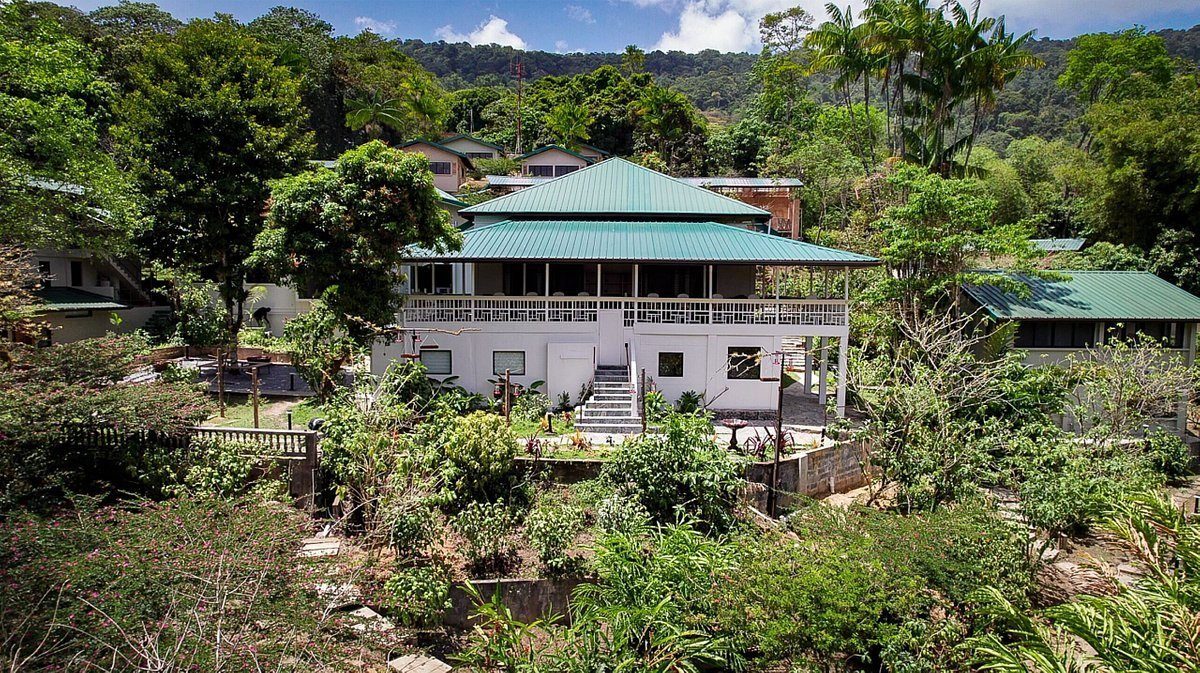
Asa Wright Nature Centre & Retreat, Trinidad: biodiversity, conservation and nature-based learning
Asa Wright Nature Centre & Retreat in Trinidad represents one of the clearest pathways into nature-based regenerative travel. As a certified Regenera Luxury eco-retreat, it connects hospitality with biodiversity protection, forest conservation, birdwatching, environmental education and community value.
This type of property shows why regenerative hotels are essential for destinations with exceptional natural capital. In biodiversity-rich destinations, hospitality should not only observe nature. It should help protect, interpret and regenerate it.
Asa Wright demonstrates that regenerative travel can create powerful guest experiences while supporting ecological awareness and conservation outcomes.

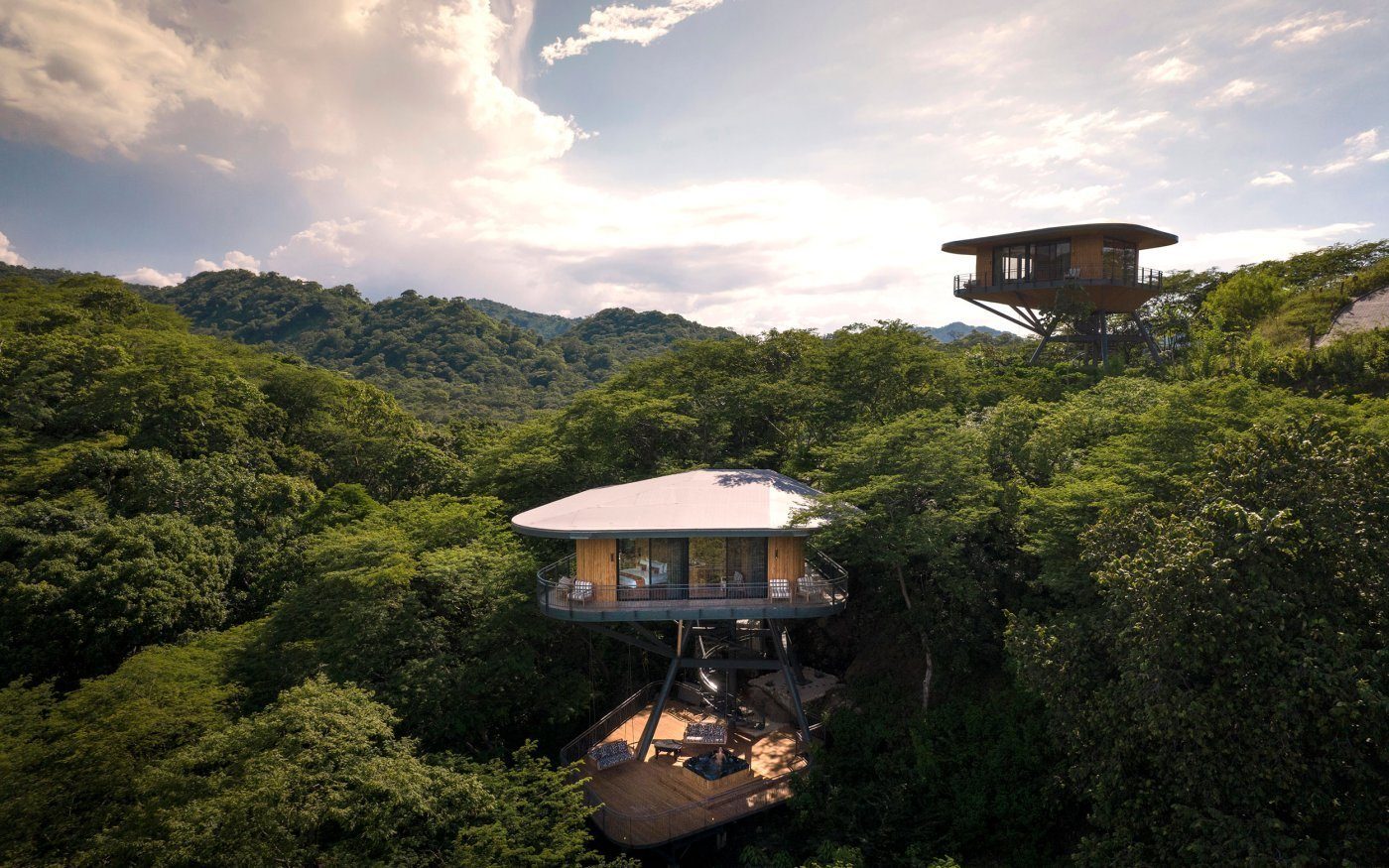
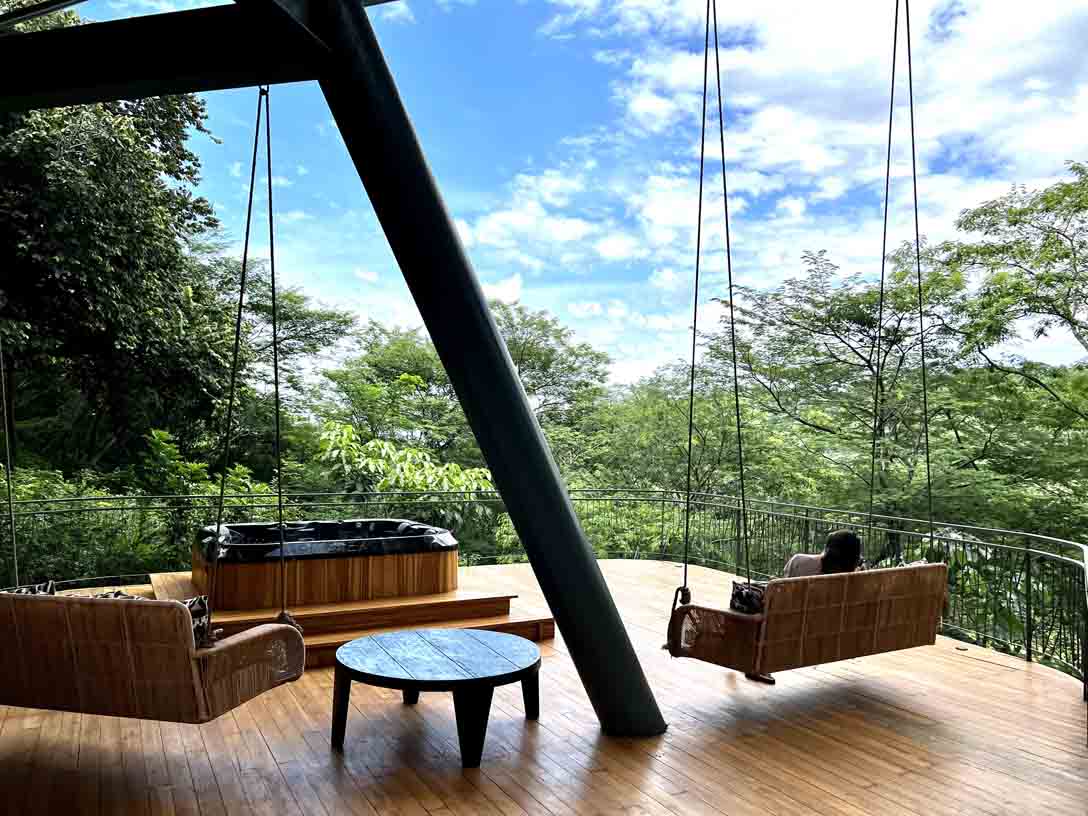
SuiTree Costa Rica: architecture, landscape and immersive connection to nature
SuiTree in Costa Rica is progressing through the Regenera Luxury certification process and reflects another important pathway: architecture and landscape immersion.
Costa Rica is internationally recognised for nature-based tourism, but regenerative travel requires more than being located in nature. It requires a designed relationship with the ecosystem.
SuiTree’s treetop hospitality concept creates an opportunity to connect guests with forest landscapes, biodiversity, silence, design and a deeper sensory relationship with place. In regenerative hotels, architecture should not dominate the landscape. It should listen to it.
Together, these cases demonstrate an important point: there is no single model of a regenerative hotel. A regenerative hotel may be urban, historic, coastal, forest-based, wellness-oriented or culturally rooted. What matters is whether it creates measurable positive impact in its own context.
From regenerative hotels to regenerative destinations
Regenerative travel cannot depend only on individual hotels. The next frontier is regenerative destinations.
A regenerative destination is a place where tourism is designed to strengthen the whole living system: residents, ecosystems, culture, local economy, infrastructure, visitor experience and long-term resilience.
This is a major shift in destination management.
For many years, destinations have measured success through arrivals, occupancy, airport traffic, hotel development and visitor expenditure. These indicators are useful, but incomplete. A destination can grow in visitor numbers while declining in resident wellbeing, ecosystem health or cultural authenticity.
Regenerative destinations require a broader dashboard.
They should measure:
- resident quality of life;
- local ownership and local economic retention;
- ecosystem health and biodiversity;
- water availability and quality;
- waste management capacity;
- cultural heritage protection;
- employment quality;
- visitor pressure and carrying capacity;
- local supplier participation;
- community satisfaction;
- climate resilience;
- value per visitor, not only volume of visitors.
This is where regenerative travel becomes strategic for governments, tourism boards, municipalities, destination management organisations, developers, hotel associations and investors.
The destinations that will lead the future are not those that attract the highest number of visitors at any cost. They are the destinations that attract the right visitors, create better value, protect their natural and cultural assets and improve the quality of life for local communities.
Regenera Luxury’s Destination Programs are designed precisely for this transition. They support destinations, hotel clusters and regional tourism leaders in moving from fragmented sustainability actions to structured regenerative destination strategies.
This is especially relevant for luxury destinations, where the quality of place is the foundation of the guest experience.
Why regenerative travel needs measurement
One of the greatest risks facing regenerative travel is the possibility that it becomes another vague marketing term.
The tourism industry has already suffered from greenwashing. Many travellers, investors and communities are becoming sceptical of sustainability claims that are not supported by evidence. Regeneration must avoid the same mistake.
For regenerative travel to be credible, it must be measurable.
This is why Regenera Luxury places strong emphasis on technical criteria, KPIs, audits, certification and continuous improvement. Regeneration cannot be reduced to emotional storytelling. It must be translated into management systems.
A credible regenerative hotel or destination should be able to answer questions such as:
- What are your carbon emissions and reduction targets?
- How are you managing water consumption, reuse and quality?
- What percentage of procurement is local or responsible?
- How are you protecting biodiversity?
- How are local communities involved in decision-making?
- What cultural heritage initiatives are active?
- How are employees trained, supported and included?
- How do guests participate in regenerative experiences?
- How is progress measured year after year?
- How does regeneration support long-term business resilience?
These are not optional questions. They are the basis of credible regenerative hospitality.
The adoption of the Statistical Framework for Measuring the Sustainability of Tourism by the United Nations Statistical Commission in 2024 confirms that tourism measurement is becoming more sophisticated. The global direction is clear: the sector must move from general claims to comparable data, evidence and accountability.
Regenerative travel must be part of this movement.
Featured nominated properties: Regenera Luxury Awards as a global benchmark
The global movement toward regenerative travel is also reflected in the Regenera Luxury Awards, created to recognise hotels, retreats and hospitality projects that are advancing regenerative luxury across different regions, categories and operational contexts.
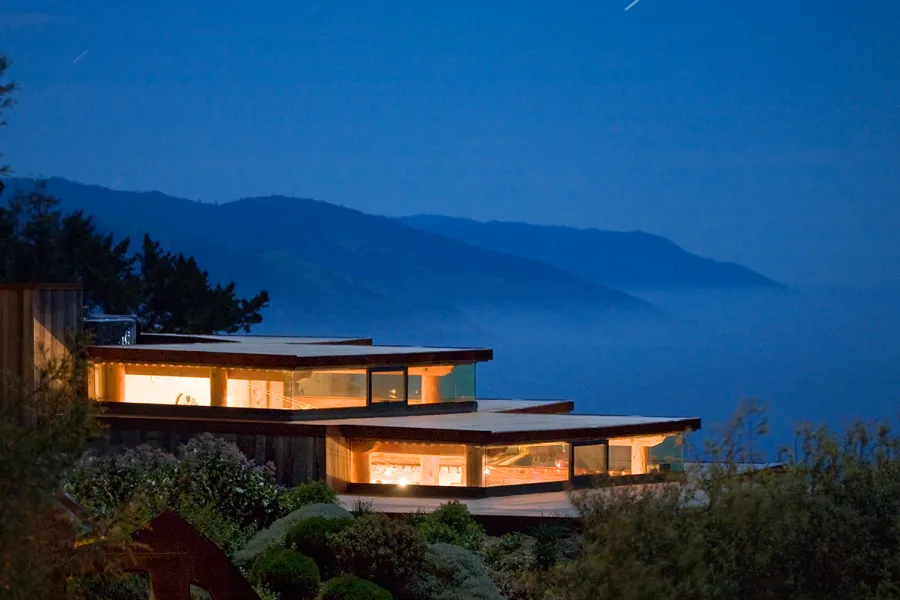
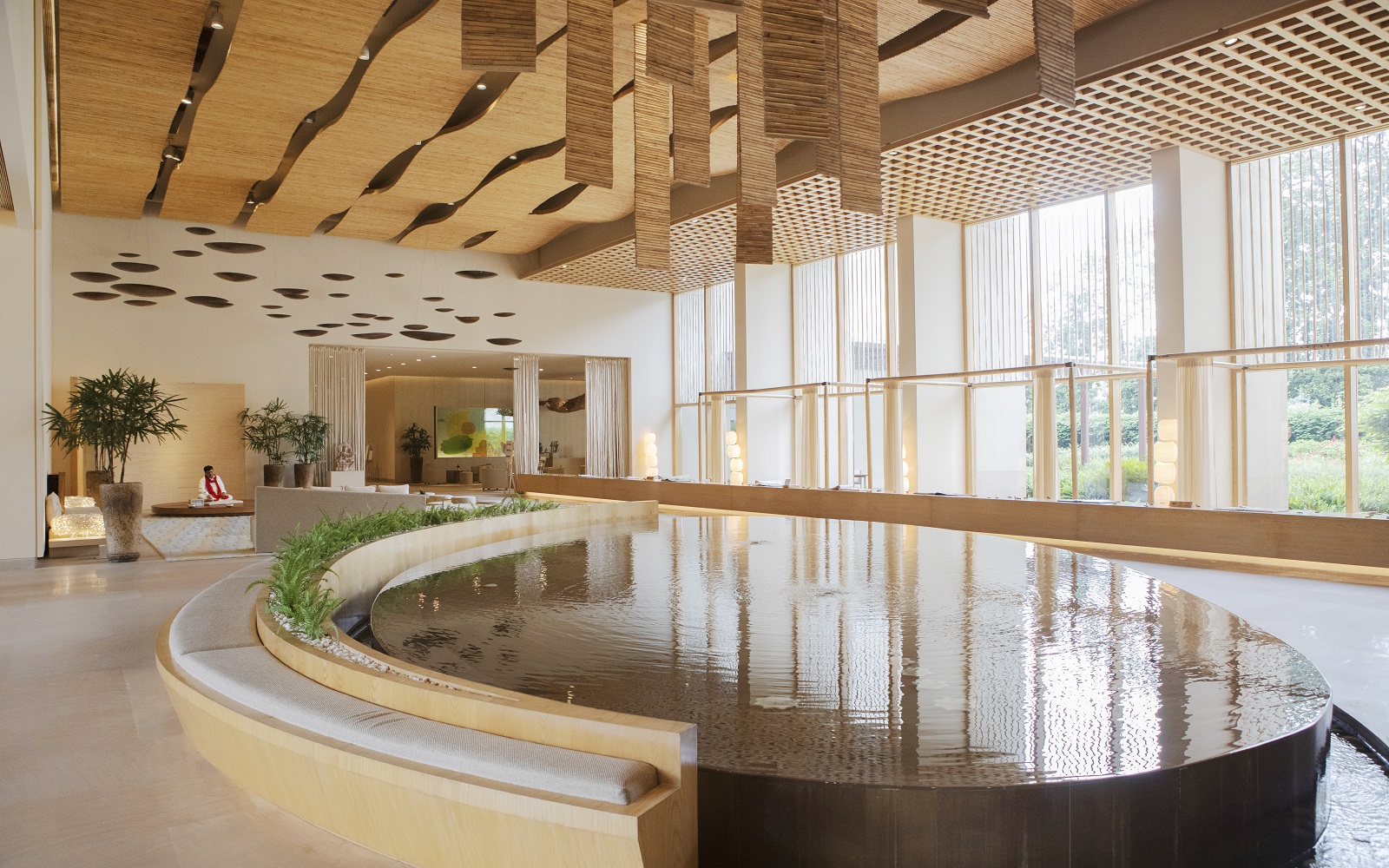
Within this framework, properties such as Post Ranch Inn in the United States and Six Senses Vana in India are featured among nominated properties in the Regenera Luxury Awards. They are mentioned here not to privilege one property over another, but to illustrate the calibre, diversity and international relevance of the regenerative luxury movement.
Post Ranch Inn, located in Big Sur, California, represents a highly distinctive expression of nature-based luxury hospitality, where architecture, landscape, privacy and deep connection to place form part of the guest experience. Its presence among nominated properties reinforces the importance of hotels that understand luxury as an intimate relationship with landscape, silence and ecological sensitivity.

Six Senses Vana, in India, represents another important pathway: regenerative wellness hospitality. Its model reflects the growing convergence between personal transformation, holistic wellbeing, cultural depth, nature connection and responsible luxury. This is especially relevant because regenerative travel is not only about environmental performance; it is also about the regeneration of human wellbeing, consciousness and relationship with place.

The Regenera Luxury Awards help make this global diversity visible. A property in California and a wellness retreat in India will not express regeneration in the same way as a heritage hotel in Granada, a biodiversity retreat in Trinidad, an urban hotel in Rome or a treetop hospitality concept in Costa Rica. That is precisely the point.
Regenerative travel is place-based. Regenerative hotels must respond to their own ecology, culture, community, architecture, history and guest experience.
For Regenera Luxury, the Awards are not simply a recognition platform. They are a strategic gateway into benchmarking, learning, pre-certification, certification and long-term regenerative management. They help hotel owners, general managers, sustainability directors and retreat leaders understand where they stand, what they can improve and how regenerative luxury can become a stronger source of credibility, differentiation and market value.
Why Regenera Luxury is positioned as a global reference
Regenera Luxury was created to help define and implement the next standard for regenerative luxury hospitality.
Our role is not to promote travel packages. It is not to act as a conventional marketing agency. It is not to offer a superficial badge.
Regenera Luxury works as a specialised, multidisciplinary platform for regenerative hotels and regenerative destinations.
Our work integrates:
- regenerative hospitality strategy;
- certification standards;
- independent audit processes;
- hotel operations;
- sustainability and ESG frameworks;
- biodiversity and ecosystem thinking;
- cultural heritage protection;
- wellness and human wellbeing;
- community impact;
- education and professional training;
- destination development;
- regenerative marketing and revenue positioning.
This is what makes Regenera Luxury different. We understand that regenerative travel requires both vision and technical management.
A hotel may have an inspiring story, but without indicators it lacks credibility. A destination may have natural beauty, but without governance it may become vulnerable. A luxury property may have excellent service, but without cultural and ecological responsibility it risks becoming disconnected from the future.
Regenera Luxury brings these dimensions together.
Our ambition is clear: to position regenerative luxury hospitality as a global benchmark for the future of tourism, and to support hotels and destinations that are ready to move from sustainability to measurable regeneration.