The luxury tourism sector is undergoing a profound and rapid transformation.
The luxury tourism sector is undergoing a profound and rapid metamorphosis. While the past decade focused on sustainability—an ethical framework for minimizing negative impact—2026 will be the year of the consolidation of Regenerative Luxury. This evolution, grounded in science and rigorous metrics, requires properties not only to be carbon neutral but also to become active agents of ecological, cultural, and socioeconomic restoration in their destinations.
The global demand is unequivocal:
According to the Virtuoso report, 72% of luxury travelers now select brands that demonstrate a positive impact.
Data from RL (Regenera Luxury, 2025) indicates that more than +80% of the hotels positioned as eco luxury are already aware of the regenerative movement and evolving into it. This report analized more than 200 hotels from Europe, Caribbean, Middle East and SEA. In the same way, a previous report from 2024 indicates that regenerative hotels are reporting up to a 20% increase in RevPAR (Revenue Per Available Room) over their competitors, demonstrating that ethics and conscious luxury form a key financial advantage.
The World Economic Forum indicates in an official report that 80% of American consumers, that is, more than 300 million people, already prefer regenerative brands over sustainable brands.
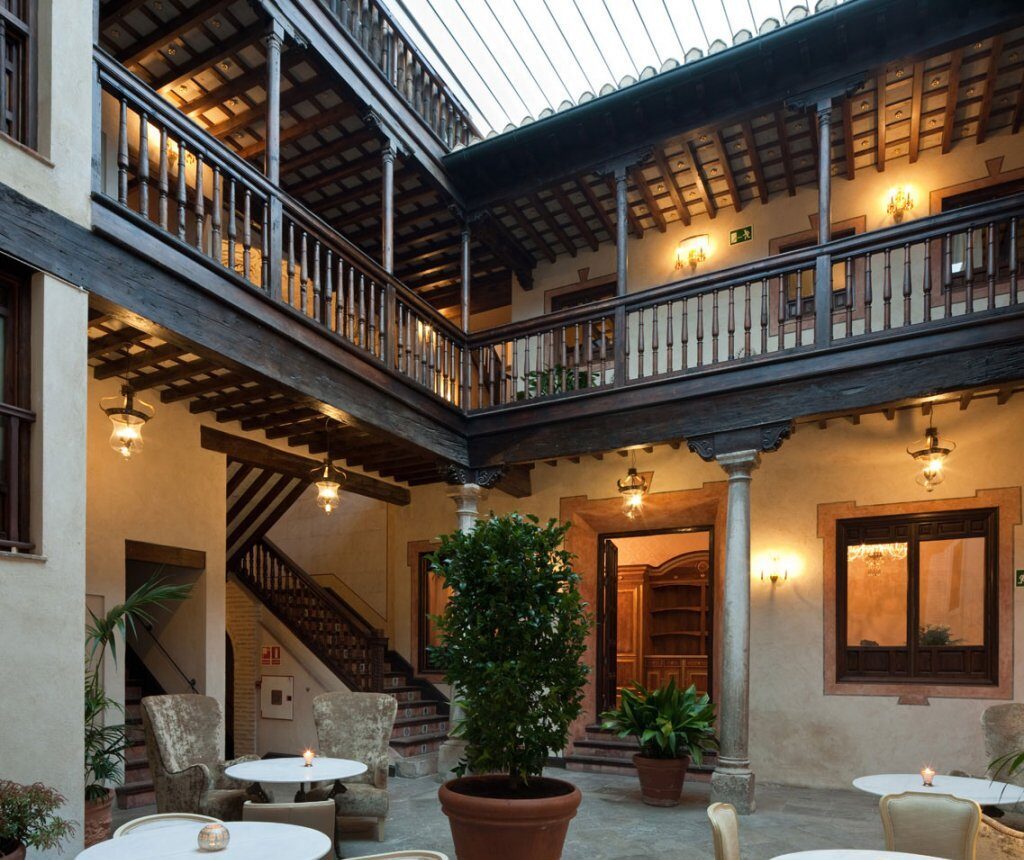
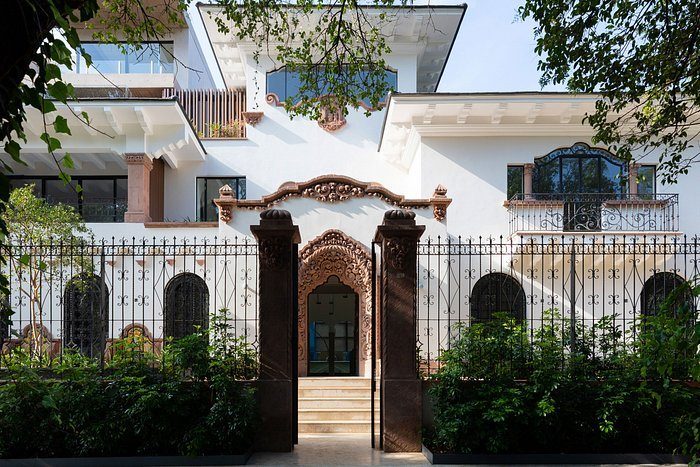
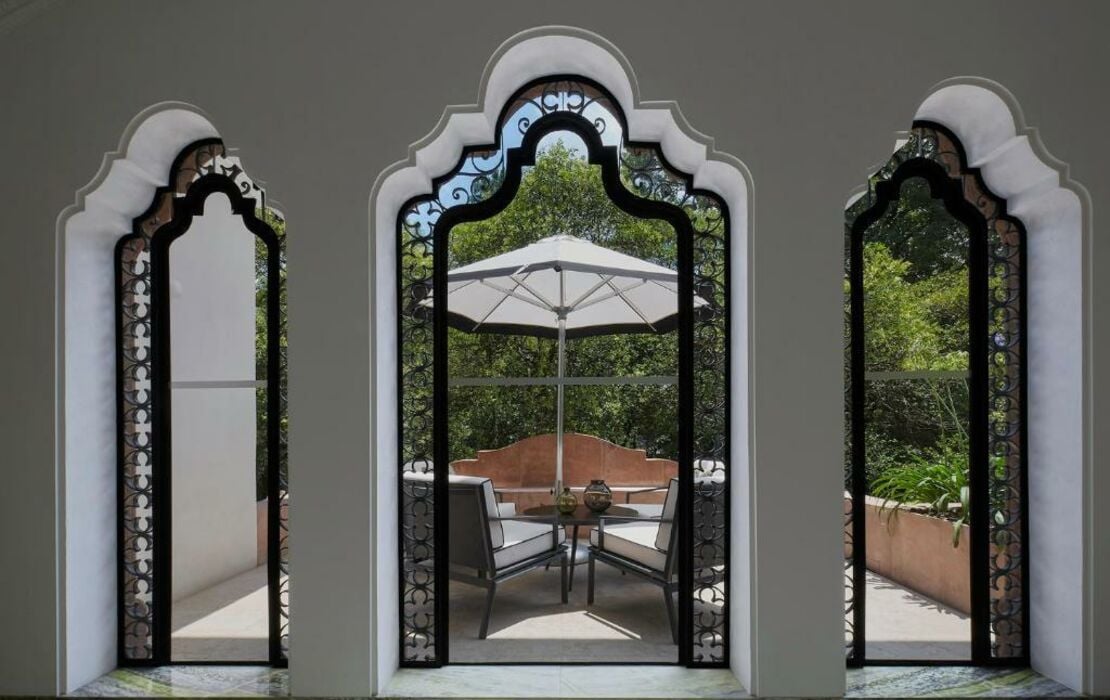
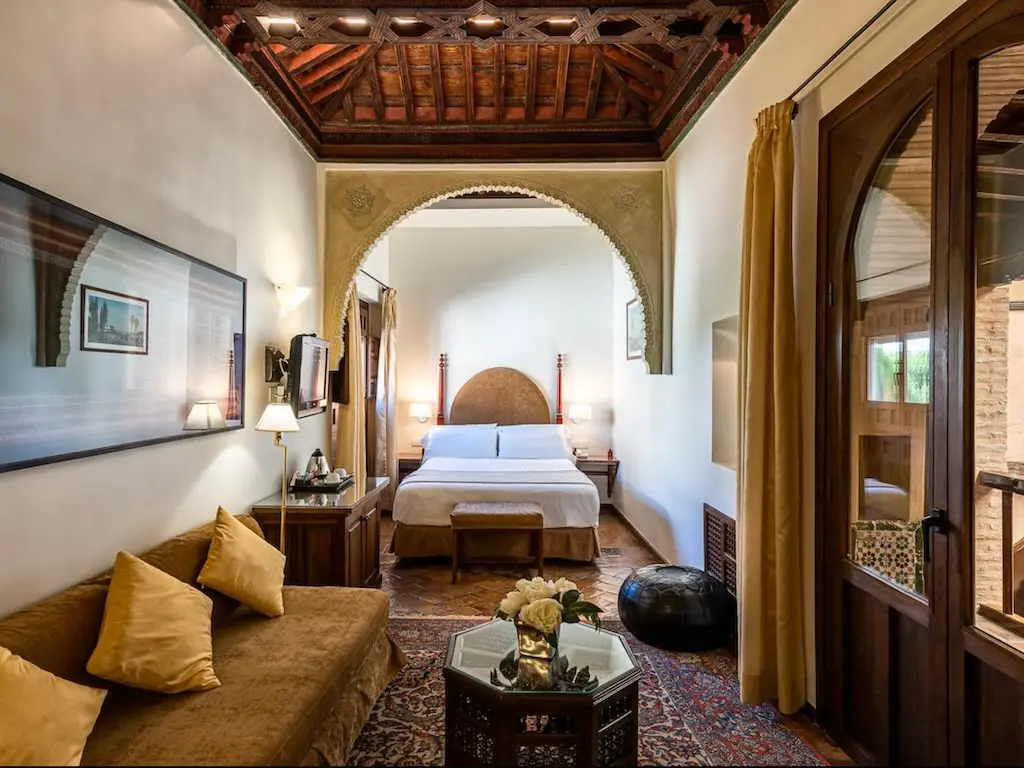
Casa 1800 hotels. Seville and Granada, Spain
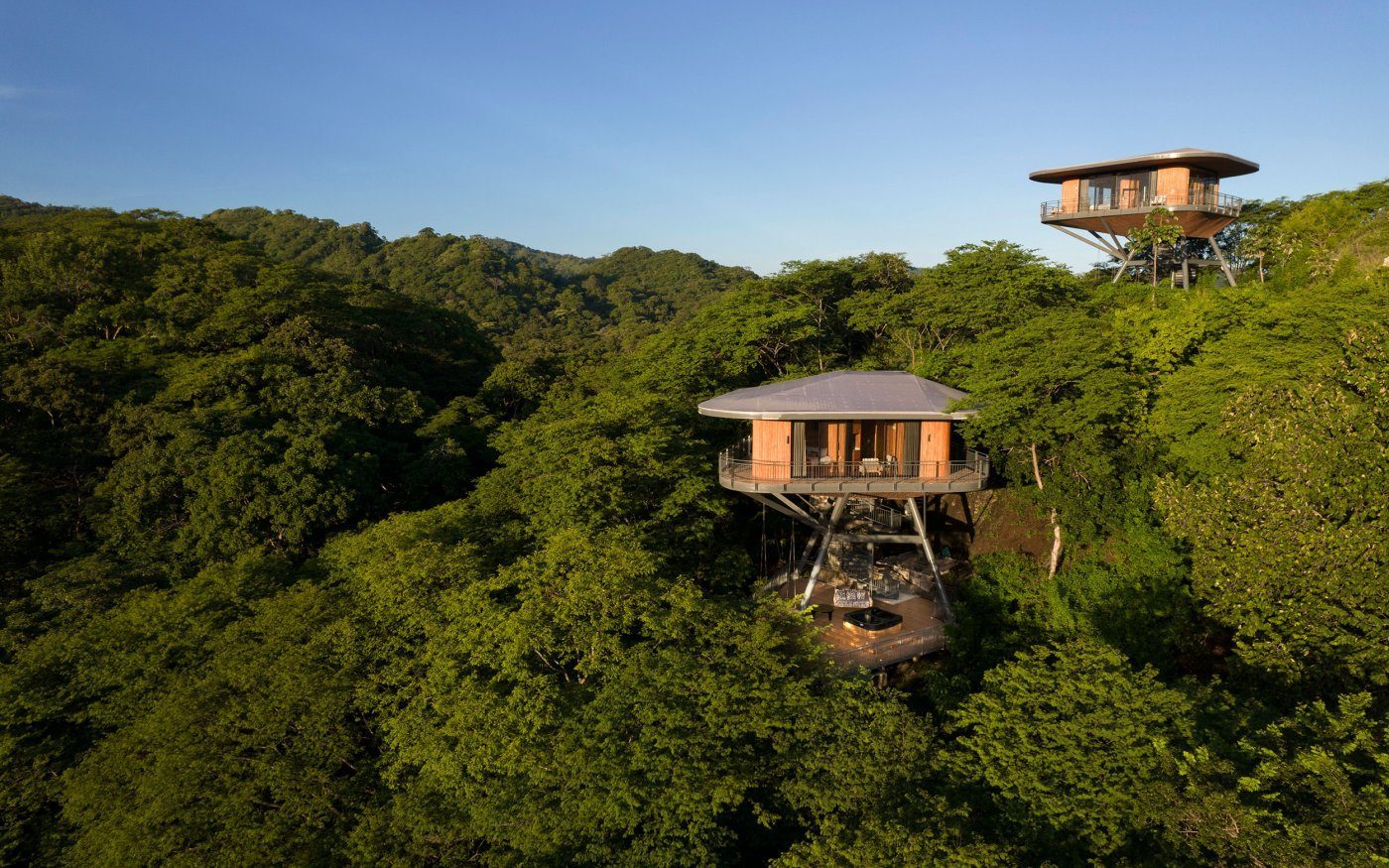
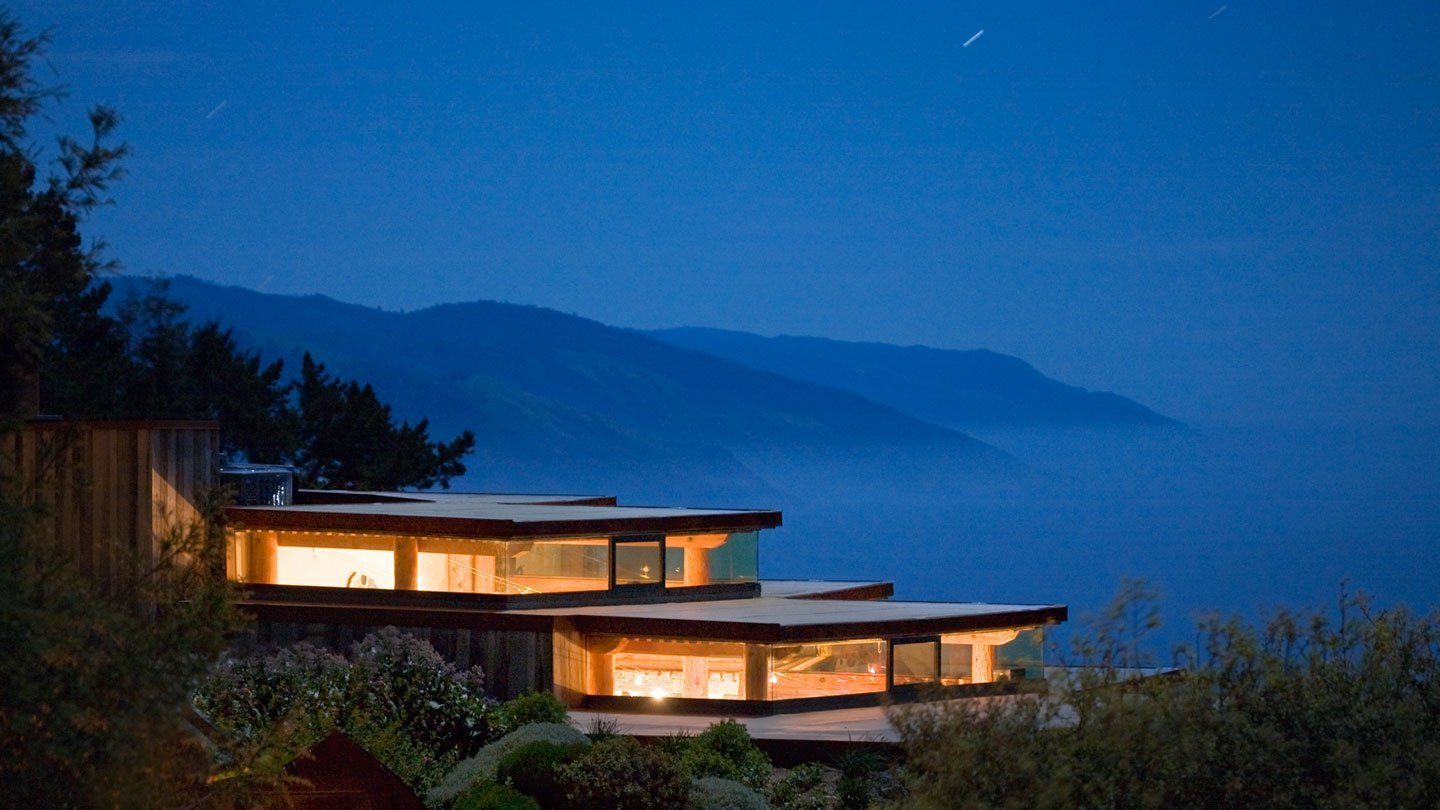
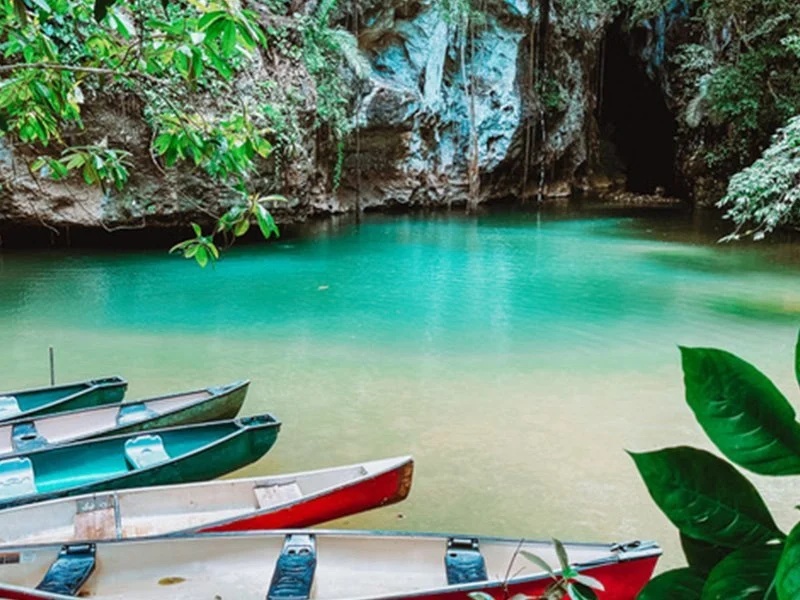
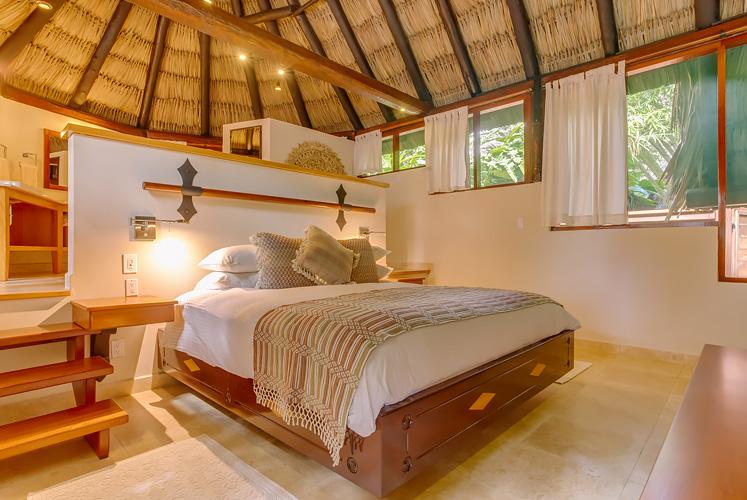
Suitree experience hotel, Costa Rica
Visionary Leaders Redefine Luxury
This paradigm shift is being driven by titans who, having conquered the pinnacle of sustainable luxury, are now betting on regenerative luxury as their legacy.
1. Neil Jacobs and Wild Origins
Neil Jacobs, the influential former CEO of Six Senses, the brand that cemented high-end ecotourism, has evolved to launch his own brand focused on regeneration: Wild Origins. This move signals that sustainability is no longer enough for industry leaders; the next frontier of luxury must be dedicated to healing and restoring. Wild Origins seeks to anchor its experiences in a deep connection with nature, ensuring that the guest’s presence tangibly contributes to the improvement of the environment.
2. The Shivdasanis and the Birth of Sosai
Similarly, Sonu and Eva Shivdasani, founders of the iconic Soneva brand (a pioneer of barefoot luxury and sustainability), took a bold step in 2025. After relinquishing control of Soneva, they launched a new initiative: Sosai. This name, inspired by a Japanese concept (Sosai, 素菜), focuses on the beauty of the elemental and profound well-being, taking their vision of luxury experiences to an even more radically regenerative approach based on cultural wisdom and authentic simplicity.
The exodus of these key figures from established brands to build new regenerative models is the most powerful indicator of the direction the market will take in 2026.
The Measurement Framework: RL as a Global Standard for Regenerative Luxury
For investors and consumers seeking authenticity and verifiable responsibility, the need for a rigorous framework is crucial. RL, Regenera Luxury, has emerged as the world’s first and leading program providing this certainty and level of expertise.
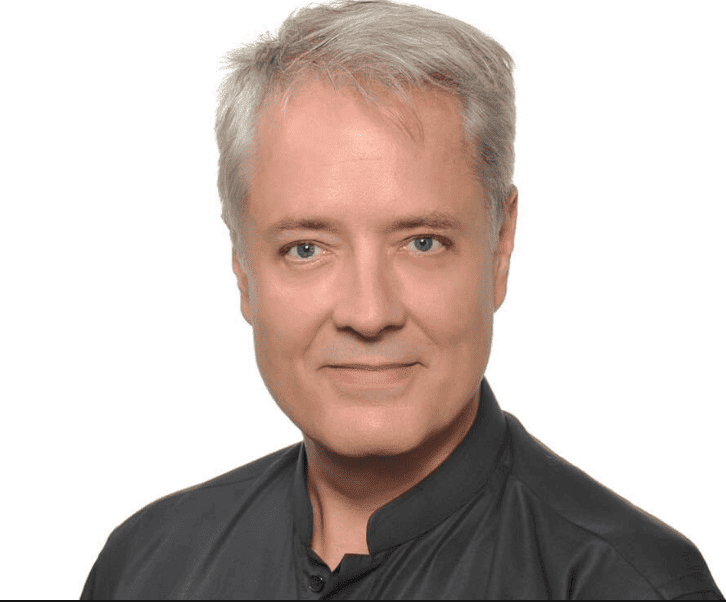
Prof. Héctor de Castro, Chairman of RL, emphasizes the value of the RL certification:
“RL complements and elevates the world’s leading sustainability certifications toward regenerative luxury, integrating new metrics, purpose, and values to drive profitability and generate a lasting positive legacy. We are enhancing the future value of assets, not just their current footprint.”
RL ensures that projects go “beyond sustainability, fostering local art and crafts, local agriculture, social integration, equity, and a circular economy,” guaranteeing tangible benefits for local families and micro-enterprises (RL, 2025).
This evolution is driven by knowledge. A recent report from the World Economic Forum (WEF, 2024) indicates that more than 80% of consumers in the United States already prefer brands that identify themselves as regenerative over those that are merely sustainable. The message is clear: high-value consumers are now looking to invest their vacation and residential capital in experiences that make them feel part of the solution, not the problem.
By 2026, luxury will be synonymous with regeneration. The success of tourism will be measured by the cultural, social, and ecological wealth it leaves behind, and regenerative luxury will not only reign supreme but will become the de facto standard for smart and conscious tourism investment.