
What Regenerative Travel Truly Means: From Intention to Verified Impact
Regenerative travel is emerging as one of the defining ideas shaping the future of tourism. Yet to understand its true...
Read more → Beyond Sustainability: Why Regenerative Development Must Be the New Benchmark for Developers and Luxury Real Estate
In recent years, sustainability has rightly occupied the spotlight in luxury development. More efficient buildings, lower emissions, reduced waste: these have been essential steps. But as extreme weather intensifies, biodiversity declines, and travelers demand deeper meaning, “doing less harm” is no longer enough. The future lies in regenerative development — developments that give back more than they take, that restore ecology, culture, and community as much as they deliver profit.
–
The future lies in regenerative development — developments that give back more than they take, that restore ecology, culture, and community as much as they deliver profit.

What Regenerative Development Truly Means
Regenerative development is more than green design or compliance with ESG regulations; it is an approach where every element of a project — from siting, materials, water, energy, and landscaping, to community engagement, cultural heritage, and wellness — works as a living system. It shifts the lens from neutrality (“net zero”) to positive impact: buildings that clean air, enhance biodiversity, generate water, support livelihoods, and reinforce local identities.
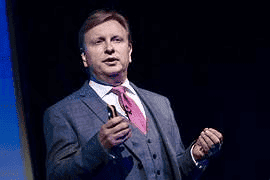
Alex Zagrebelny, founder & CEO of R.Evolution Consulting, put it well in his article for Entrepreneur Middle East (September 2025):
“The future of real estate lies in ‘regenerative development’, where buildings give back more than they take.”
He emphasizes that nature doesn’t measure itself by being less bad — forests enrich soil, create habitat, absorb carbon. We, as developers, must build in the same spirit.Hector De Castro, chairman of REGENERA LUXURY, said:
“Regeneration is not philanthropy; it is a superior business strategy rooted on values. Projects designed to give back premium pricing, attract impact investment, deliver stronger long-term socio-economical value.”
–

–
At Regenera Luxury, regeneration is not an aspirational upgrade or a marketing differentiator; it is the new standard for luxury hospitality and developments. In our view, developments of the future are not static assets — they are living systems designed to restore, replenish, and elevate the environments and communities they inhabit.
This philosophy blends cutting-edge architecture, building biology, wellness science, and even ancestral wisdom with advanced engineering and ESG-aligned metrics. Our objective is clear: to create places that behave more like ecosystems than structures, delivering measurable positive outcomes for people, planet, and profit.
This approach moves well beyond conventional “green” or “sustainable” design. It is about regeneration as a core business model, creating value that compounds over time. Real Estate or Development Projects aligned with Regenera Luxury principles incorporate features such as:
These elements are not “wellness” as a passing trend; they are the cornerstones of a regenerative living experience. Developments built under these principles actively give back — to residents, to communities, and to the environment itself — transforming the real estate asset from a cost center into a self-sustaining ecosystem that generates tangible ROI and long-term legacy value.
–
At Regenera Luxury, our certification framework and Strategic Evolution Toolkit (SET) are built precisely for the luxury hospitality, development & destination sectors seeking to transcend “sustainable.” Key features include:
–
–
–
To echo Alex Zagrebelny once more: “Buildings give back more than they take.” For those developing the destinations, resorts, luxury residences, and boutique hotels of tomorrow, that is the only future worth building toward.
At REGENERA LUXURY, we are committed to enabling that future — offering a globally recognized standard, a tested toolkit, performance validation, and a community of peers who believe that luxury must regenerate.
If you are shaping a new project, repositioning existing real estate, or defining a destination’s long-term strategy, I invite you to explore how regenerative standards can deliver superior returns — environmentally, socially, and financially.
–

Regenerative travel is emerging as one of the defining ideas shaping the future of tourism. Yet to understand its true...
Read more →
Strategic Alliance: Regenera Luxury x Ownia Collection, Regenera Luxury is proud to announce a strategic partnership with Ownia Collection, a...
Read more →
Europe’s sustainability framework is reshaping the future of hospitality. In 2026, luxury and boutique hotels can no longer rely on...
Read more →