
What Regenerative Travel Truly Means: From Intention to Verified Impact
Regenerative travel is emerging as one of the defining ideas shaping the future of tourism. Yet to understand its true...
Read more → Regenerative luxury: An Exclusive Conversation with Héctor De Castro on the Future of Luxury Hospitality
In this exclusive conversation led by Martin Thomas, VP of Marketing at RL and former VP of Marketing of Beyond Green, Prof. Héctor De Castro, President of Regenera Luxury and a leading voice in the transformation of global hospitality shares his insights about the future of luxury hospitality. With +25 years experience in 4 continents bridging the worlds of high-end tourism, developments,, investments and audits, De Castro has become one of the foremost advocates for redefining what luxury means in the 21st century. He has led projects at world-renowned consultancies such as Horwath HTL, contributed to the growth of innovative startups, and worked with LHW hotels and FORTUNE 500 corporations, developing a holistic vision that combines operational excellence with environmental, cultural, and economic regeneration.
As the founder of Regenera Luxury NGO, and the visionary behind the Regenera Luxury Certification -whose seed started with his PhD research-, he has guided some of the world’s most exclusive hotels, retreats, and destinations toward a new paradigm—one that transcends sustainability to embrace regenerative luxury as the ultimate mark of excellence. And that needs to redefine what luxury truly means. His work aligns luxury and revenue with balance, environmental restoration, cultural empowerment, integration, and long-term positive legacy, influencing both public policy and private enterprise at an international scale.
In our discussion, prof. De Castro reflects on the next decade of luxury travel and the inevitable evolution from indulgence to impact, from “less harm” to “positive legacy.”

Prof. Hector De Castro.
Chairman of Regenera Luxury (RL).
Héctor, as the President of Regenera Luxury and one of the key figures shaping the global discourse on regenerative tourism, specially at regenerative luxury, how do you foresee the luxury travel industry evolving in the next decade—especially regarding environmental and social impact?
Sustainability has become a fashionable word, but it’s no longer enough. Greenwashing has caused a deep damage on travelers trust. I often say, “sustainability is the baseline; regeneration is the ceiling”. Sustainability ensures we do less harm; regeneration ensures we leave places and people better than we found them.
A regenerative hotel doesn’t merely compensate for its footprint—it shows with respect and proud its roots, revives ecosystems, empowers local communities, and restores cultural and natural heritage. In the world of luxury, that’s the new aspiration. Luxury without regeneration isn’t luxury—it’s depletion. Sustainability is about survival. Regeneration is about legacy. And in the luxury segment, legacy is what truly endures.
Traditional luxury has long been associated with exclusivity, abundance, and indulgence. Can this new concept of regenerative luxury—rooted in responsibility and restraint—really captivate the ultra-wealthy traveler?
Absolutely. The world’s elite are no longer seeking “more,” they’re seeking meaning. The rarest experience today is authenticity—an encounter so profound that it cannot be replicated or bought twice.
Look at Soneva in the Maldives, Chaa Creek in Belice, or The Brando in French Polynesia—all of them offer ultra-luxury experiences that are deeply regenerative. Guests are not just paying for a villa; they’re investing in a philosophy. The new definition of sophistication is consciousness. The true status symbol now lies in what you give back, not in what you consume.
Look at what Mr Neil Jacobs, former CEO of SIX SENSES has recently done, leaving and creating its own brand, WIld Origins. Look what Mr. Shivdasani, co-founder of SONEVA has done, leaving the brand to create a new one, SOSAI. There is indeed an evolution also at ultra luxury segment.
Regeneration offers something no conventional luxury can: the privilege of knowing your presence contributed to healing, not harm. In the future, the only luxury that will survive is the one the planet can afford to keep.
Many assume luxury innovation comes from corporate boardrooms or established brands. Yet, you often argue that the next revolution will emerge from the individual values. Could you expand on that?
Yes, innovation is now coming from the ground up—from indigenous communities, local artisans, and small regenerative entrepreneurs. From the individual to community level. Think of the Maasai-led conservation lodges in Kenya or community-owned eco-retreats in Latin America. Last years we have supported pro bono several hotels and destinations in Mexico, so that in Honduras and Nepal. We walk the talk.
The farm-to-table movement reshaped fine dining; similarly, place-based regeneration will redefine luxury travel. The future will belong to destinations that allow visitors to engage with genuine cultural and ecological narratives, not curated façades designed by global chains. Luxury is evolving from an aesthetic to an ethic.
You’ve often criticized the notion of “green glamour.” What makes it so problematic?
Because it’s often just seduction dressed as virtue. “Green glamour” without substance is simply greenwashing with better design. When sustainability becomes a marketing prop, it loses its moral and ecological value.
However, when aesthetic excellence meets genuine regenerative intent—when a hotel is both beautiful and benevolent—we reach a new dimension of luxury. Take CASA1800 hotels in Granada and Seville (Spain), for example: they have kept the flavour of XVI century old residences to transform them into boutique hotels, keeping its legacy and creating a unique andalusian atmosphere, respectful, profitable and beautiful. Or CASA POLANCO in Mexico city with its colonial heritage and mexica aroma. Same at SUITREE in Costa Rica or NEREA hotel in Tulum, amazing experiences integrating wild nature with cultural heritage and extraordinary design experiences. That’s not cosmetic ecology—that’s regenerative art.
In the world of luxury, customer loyalty has traditionally been the holy grail. What would you say is the regenerative equivalent of that concept?
I call it “place loyalty.” It’s the idea that the value of a brand is inseparable from the wellbeing of the places it touches. A guest may stay once, but the community “hosts” the brand indefinitely.
Hotels that extract more than they contribute are eroding their own foundations—social, environmental, and reputational. The most powerful loyalty program of the future won’t come from guest points; it will come from the gratitude of the planet and the prosperity of its people.
You’ve been a strong advocate for integrating regeneration into policy frameworks and international hospitality standards. What changes are most urgently needed at a global level?
We must reposition tourism as a strategic pillar of global policy—alongside climate, health, and finance. The sector represents nearly 10% of global GDP and 1 in 10 jobs, yet it lacks binding climate commitments or universal safeguards for biodiversity and cultural heritage.
Governments and investors still view tourism as a short-term economic tool rather than a regenerative force for social equity and planetary health. If we fail to rewrite the rules, we risk marketing destinations that no longer exist.
At Regenera Luxury, we’re building frameworks where luxury certification aligns with the UN SDGs, LEED, WELL, UNESCO and Green Globe standards, ensuring that excellence and ethics advance together.
Martin Thomas:
Thank you Hector!
_
Follow Mr. Hector de Castro here: https://www.linkedin.com/in/hectordecastro/
FOr more information about REGENERA LUXURY: http://www.regenera.luxury
Discover:
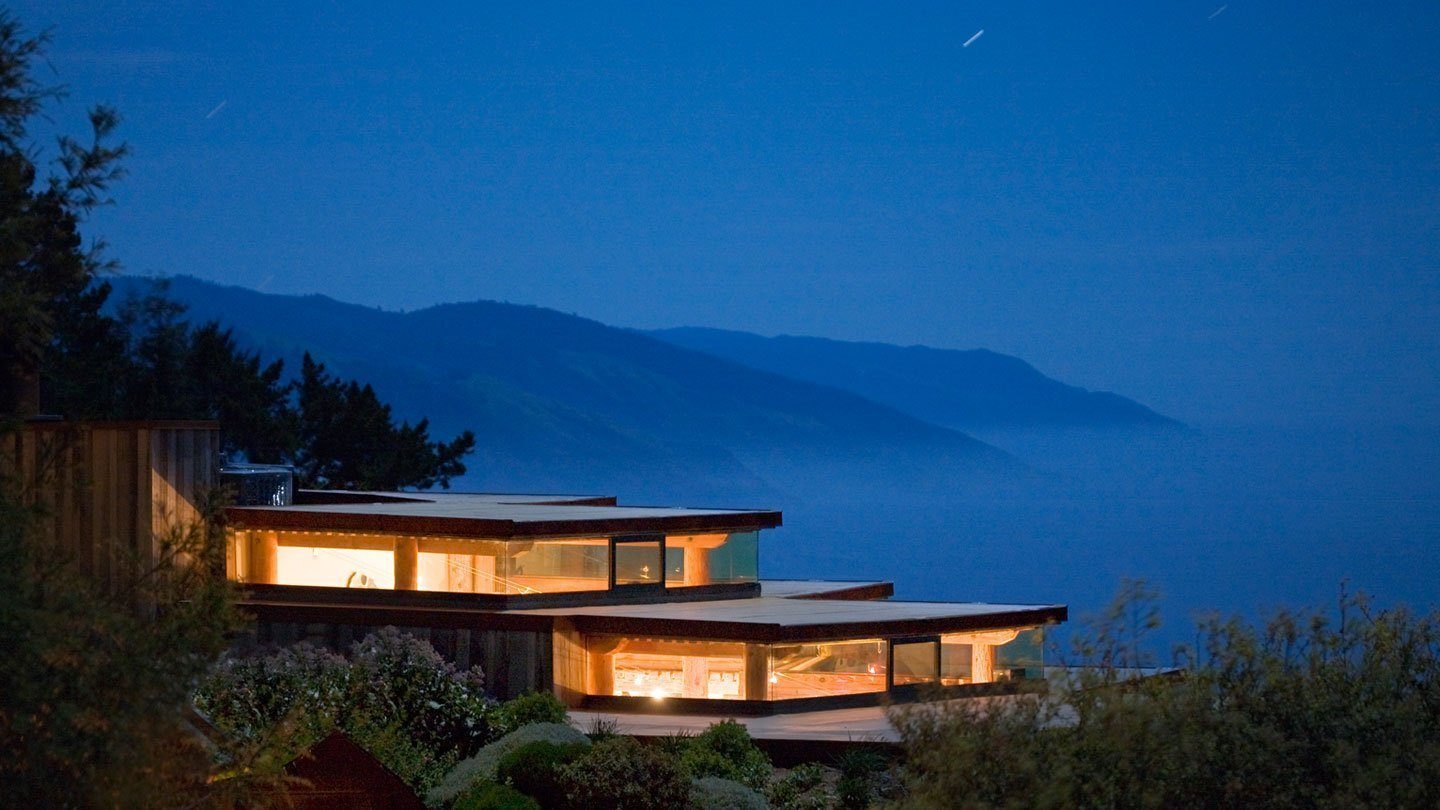
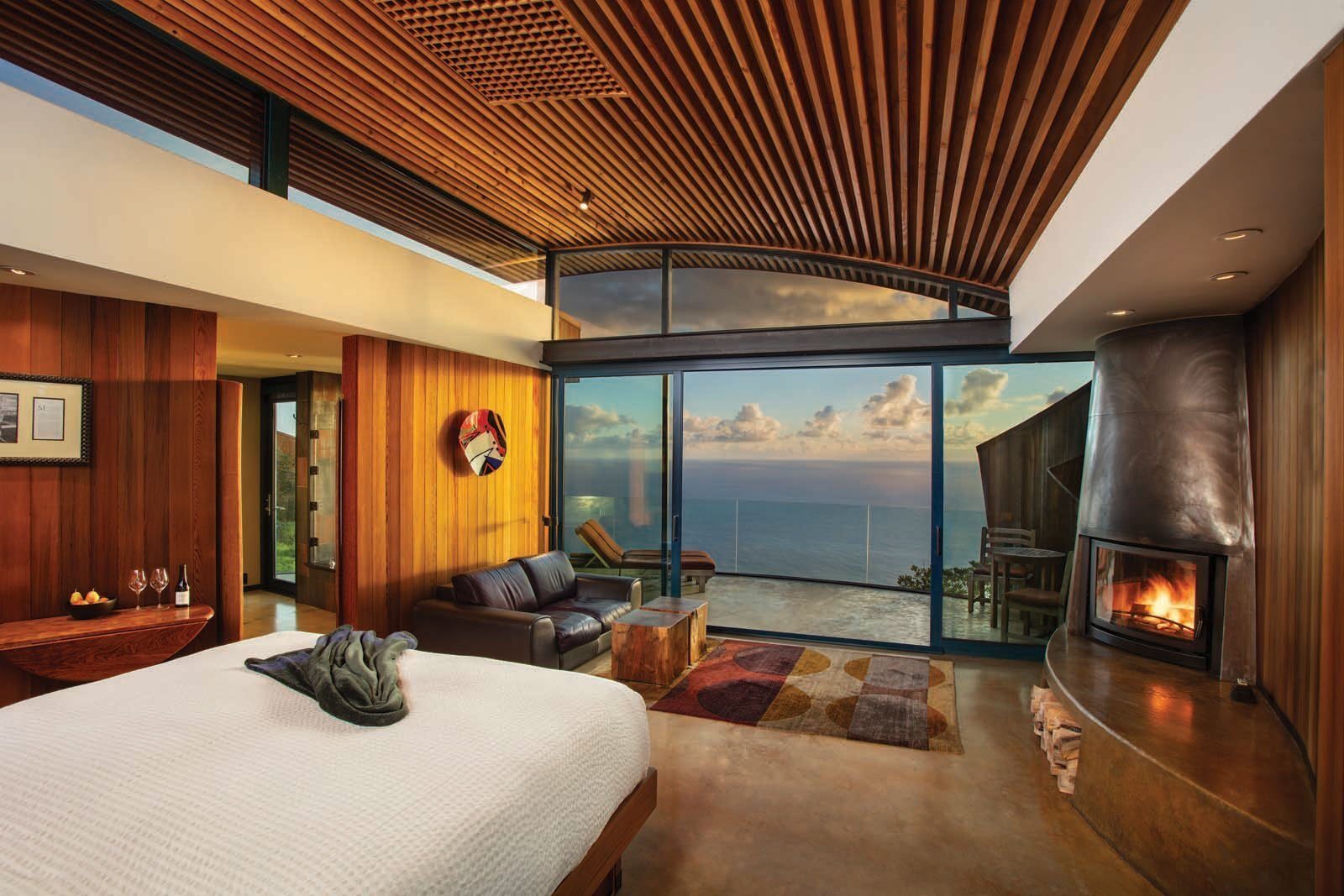
Post Ranch Inn, United States. A LHW hotel.
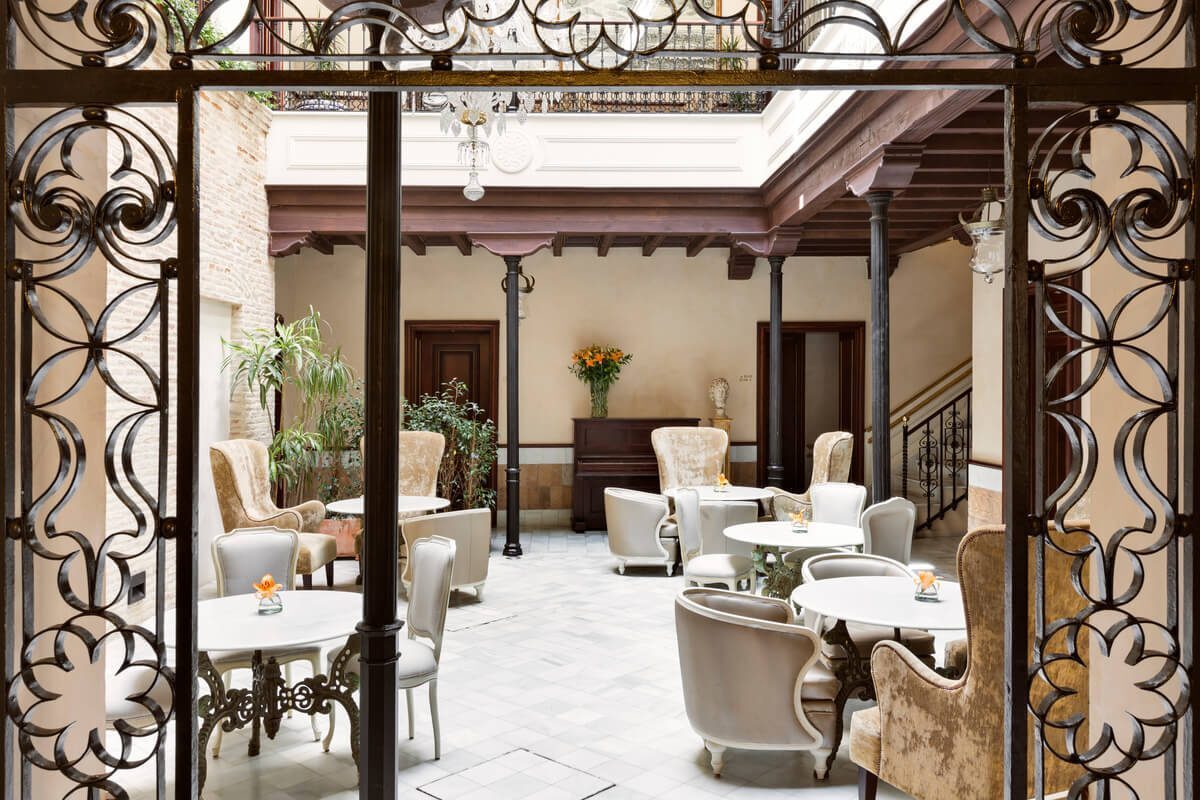
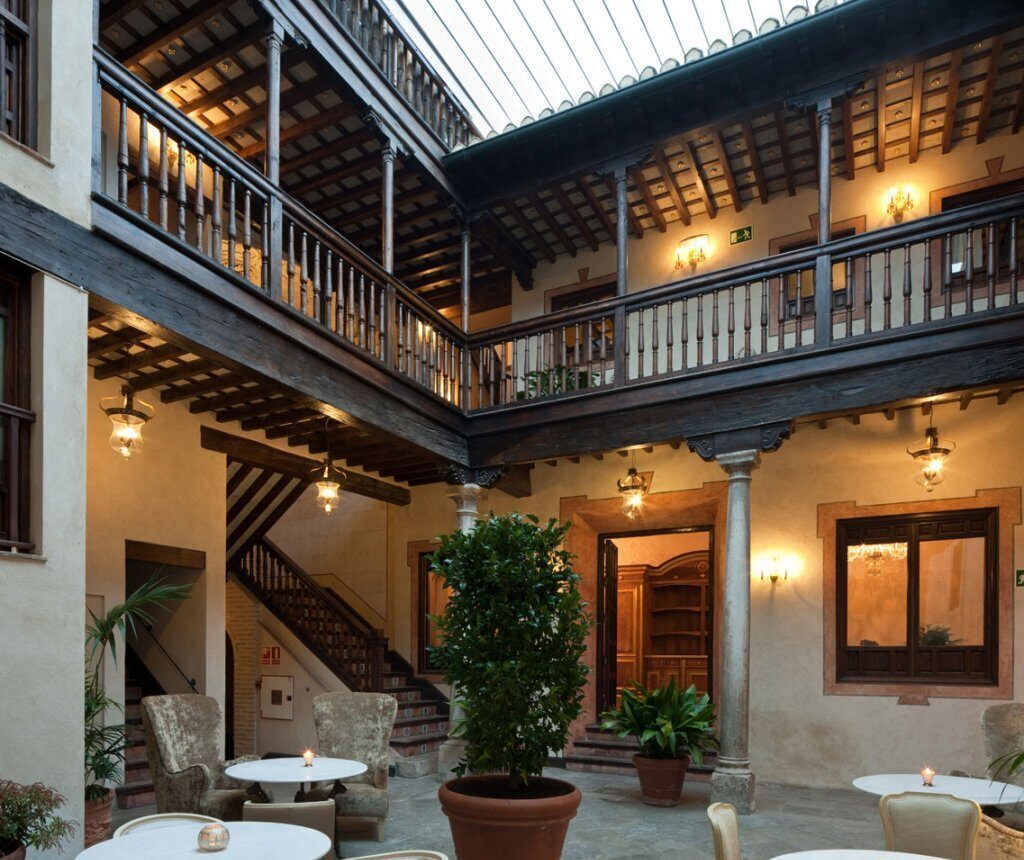
CASA1800 hotels, in Granada and Seville, Spain.
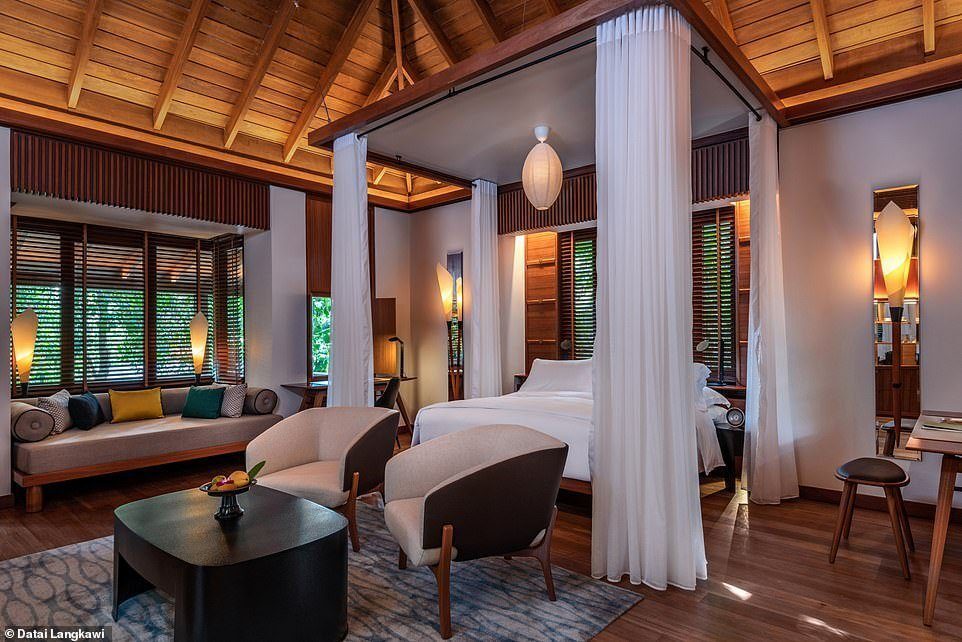
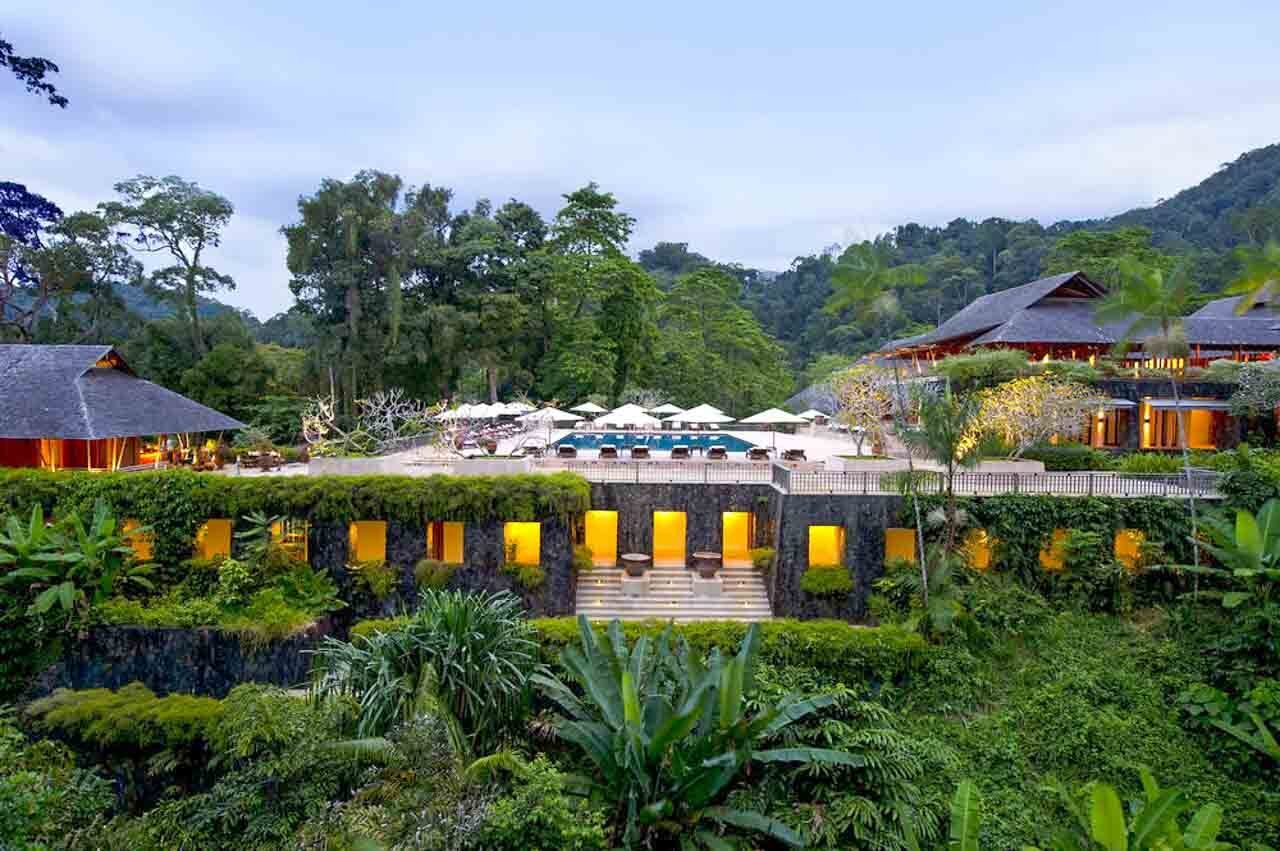
Datai Langkawi, Malaysia. A LHW hotel.
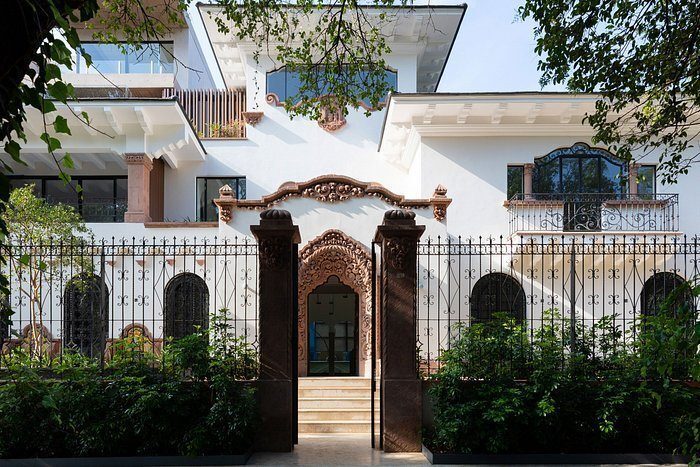
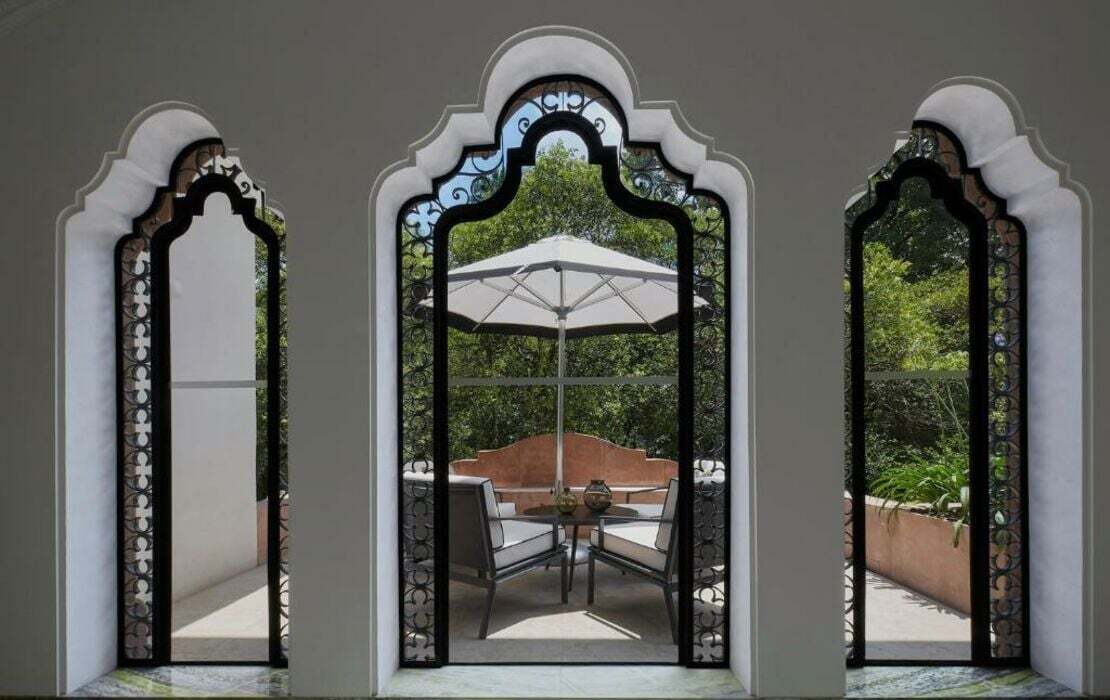
Casa Polanco, Mexico city. LHW hotel.
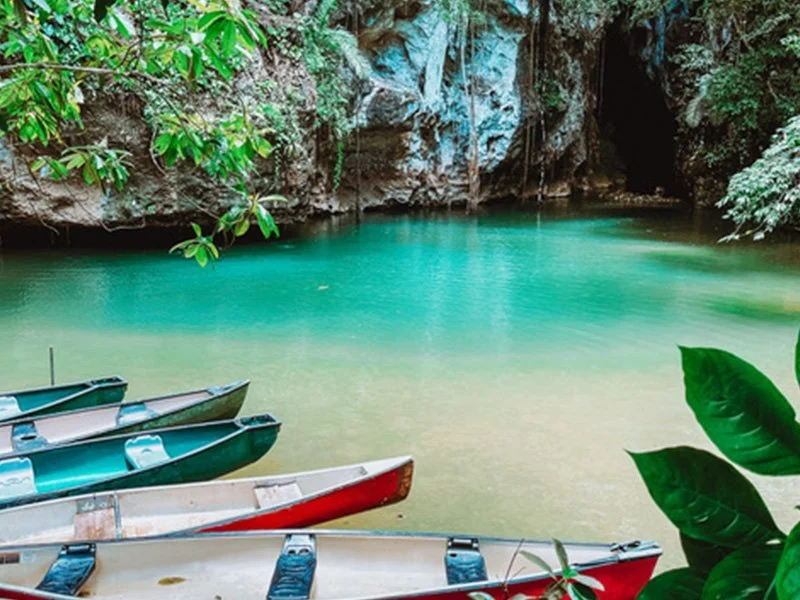
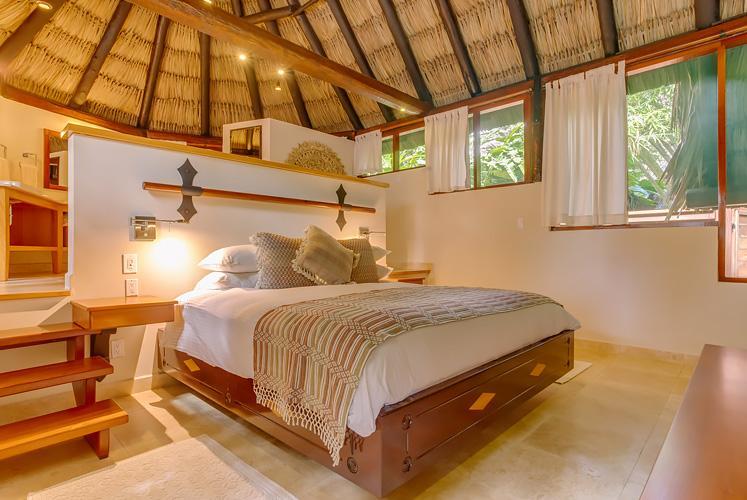
Chaa Creek, Belize
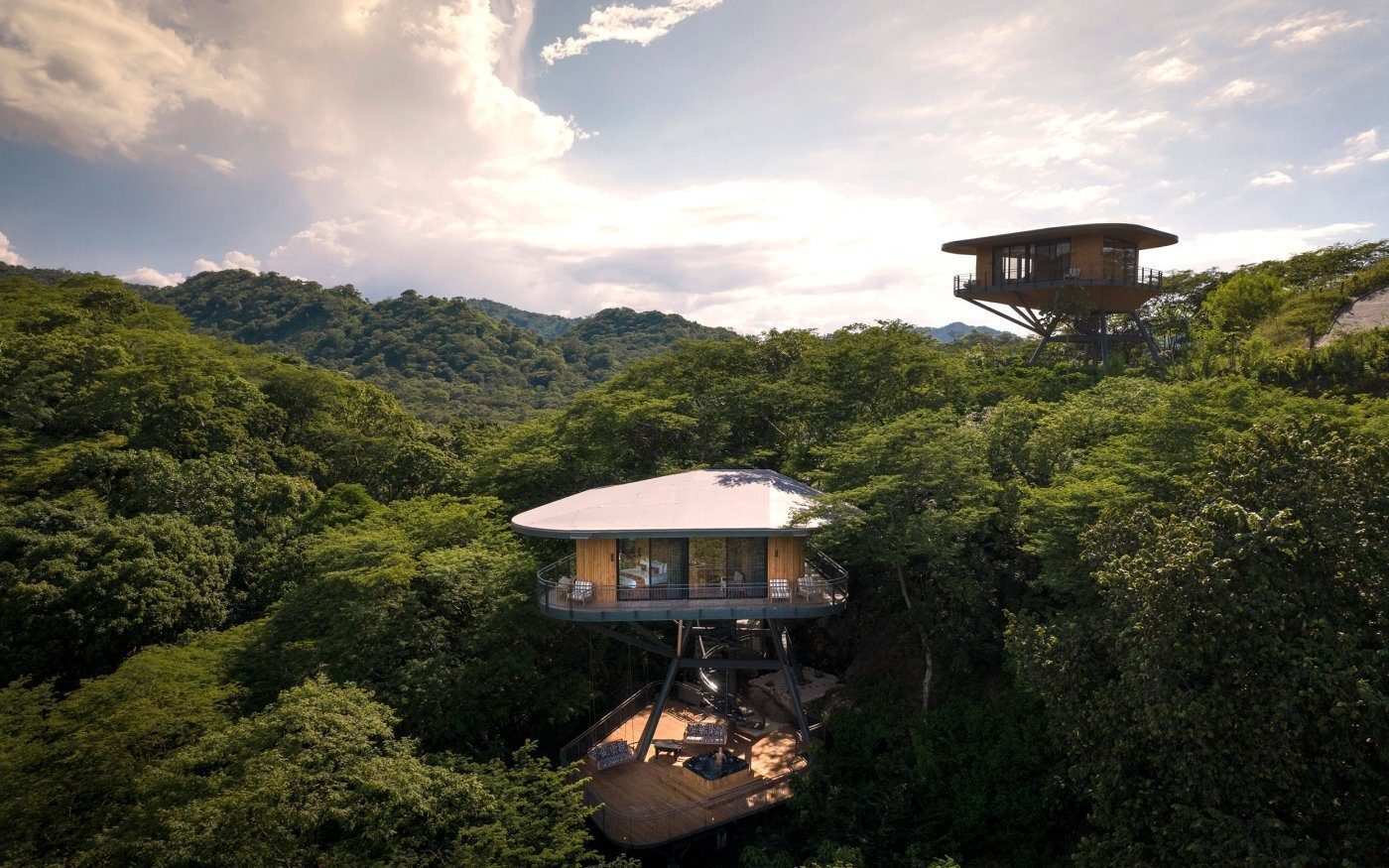
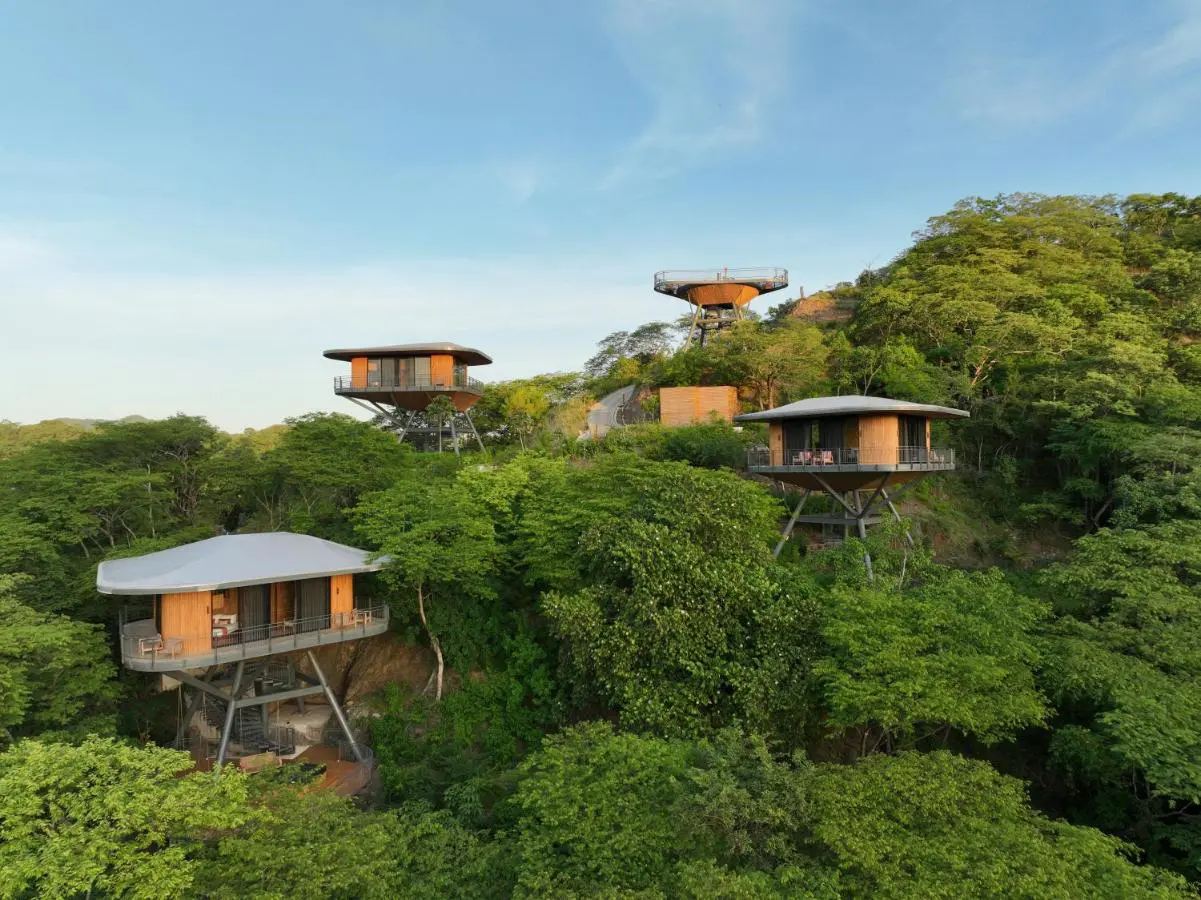
SUITREE experience hotel, Costa Rica
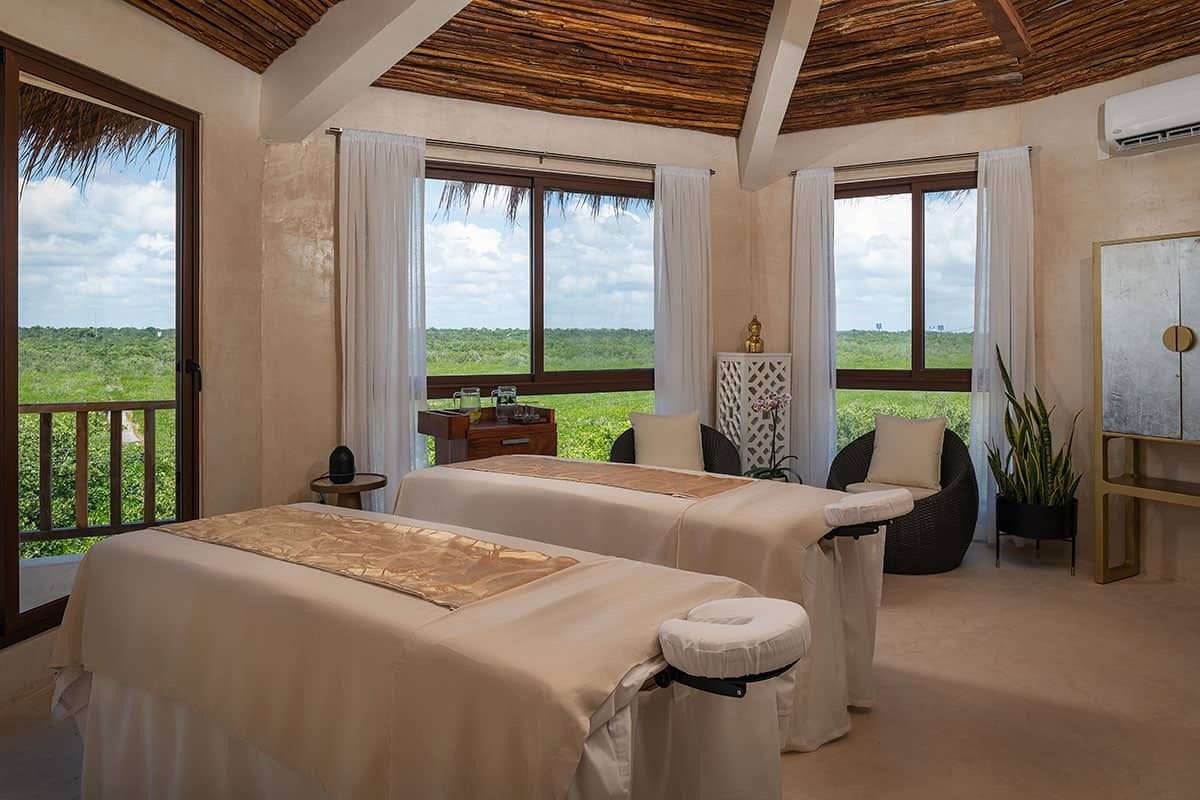

Nerea wellness hotel, in Tulum (Mexico)
Regenerative travel is emerging as one of the defining ideas shaping the future of tourism. Yet to understand its true...
Read more →
Strategic Alliance: Regenera Luxury x Ownia Collection, Regenera Luxury is proud to announce a strategic partnership with Ownia Collection, a...
Read more →
Europe’s sustainability framework is reshaping the future of hospitality. In 2026, luxury and boutique hotels can no longer rely on...
Read more →