


What Regenerative Travel Truly Means: From Intention to Verified Impact
Regenerative travel is emerging as one of the defining ideas shaping the future of tourism. Yet to understand its true...
Read more → Alila has always sold more than a stay—it sells wonder, engineered through place-first design, cultural respect, and a credibility-driven approach to sustainability. Born in Asia and now part of Hyatt’s global portfolio, Alila shows how boutique luxury can protect local heritage while delivering uncompromising comfort. From EarthCheck-backed operations to flagship examples like Uluwatu and Ventana Big Sur, this article explores why Alila is a modern reference—and what its next evolution could be in the age of regenerative luxury.
There are brands that sell destinations—and brands that teach you to meet them.
Alila belongs to the second category: boutique luxury that treats place not as scenery, but as an ecosystem of culture, nature, and human relationships. The name itself is a quiet promise. “Alila” means “surprise” in Sanskrit, and the brand has built its identity around that idea—surprise not as gimmick, but as discovery: a new angle of light, a local ritual shared with respect, a design detail that feels inevitable rather than extravagant.
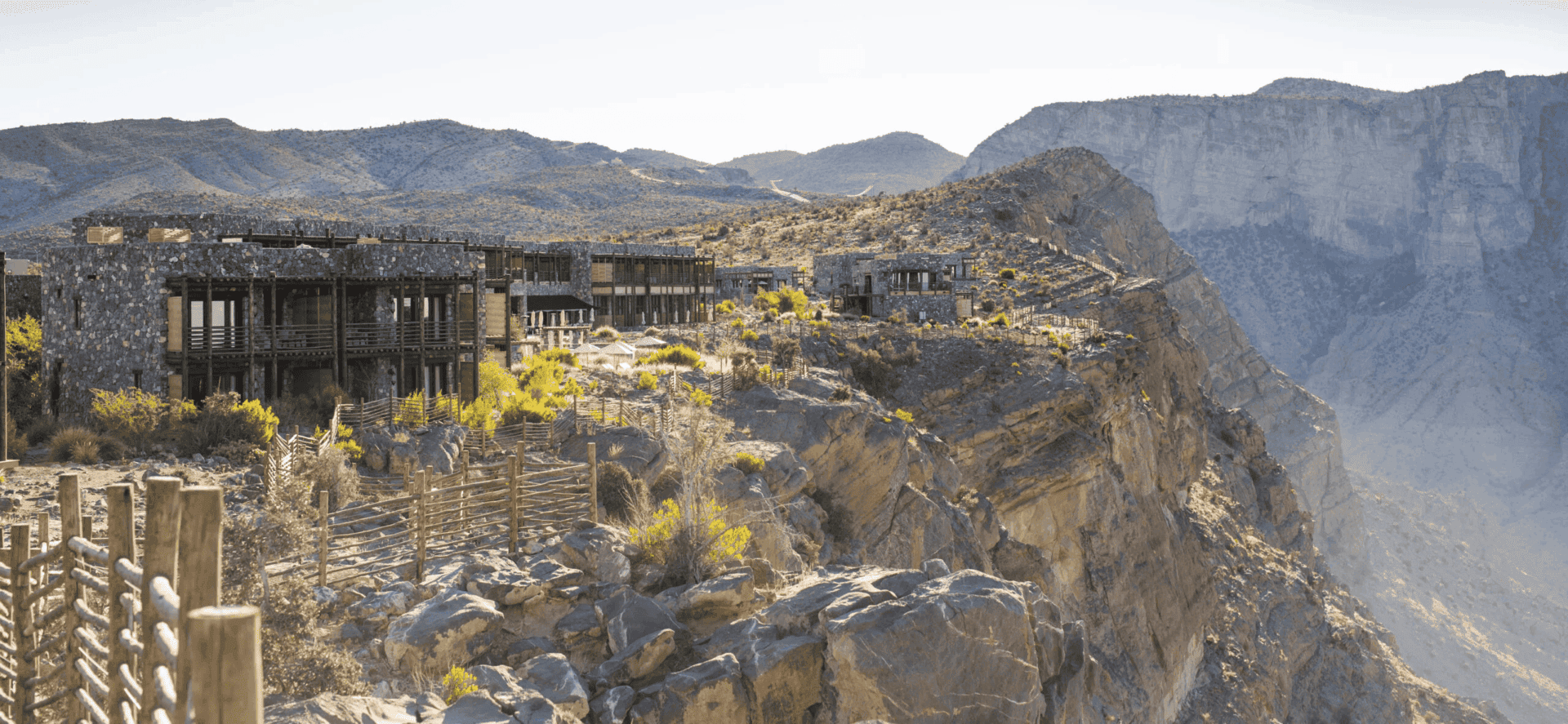
If we saw in our previous edition how Aman made silence a global benchmark for ultra-luxury sanctuary, Alila made wonder a disciplined operating system—where sustainability, local culture, and emotional connection are not “initiatives,” but the core logic of the guest experience.
This article explores how Alila emerged, how it scaled without losing its boutique intelligence, and why it has become one of the most important reference points for hotels that want to be premium and responsible—especially now, when sustainability is no longer a differentiator, and regeneration is becoming the top credibility and resiliency resource.
Alila’s early story is inseparable from Southeast Asia’s landscape of the late 1990s and early 2000s—when design-led hospitality was beginning to evolve from “beautiful hotels” into “meaningful travel.”
In an interview published by EHL Hospitality Insights, the brand is described as founded in 2001, built on “personalized hospitality, private spaces and bespoke journeys,” and rooted in the idea that the hotel experience should be inseparable from the destination.
Even more revealing is the human lineage: in the same EHL piece, co-founder Mark Edleson recounts how his passion for the region, and earlier site-search experiences connected to Aman, informed Alila’s approach to place—less about importing a luxury template, more about interpreting local context with contemporary intelligence.
From the start, Alila’s proposition aligned with what many owners still underestimate today:
Hyatt’s official brand description captures Alila’s signature in three phrases: innovative design, crafted luxury in unique locations, and “an unprecedented level of personalized hospitality, private spaces and bespoke journeys.”
That’s not marketing fluff—it’s a precise positioning strategy.
Alila hotels tend to be architectural rather than ornamental. They frequently use restraint—clean lines, local materials, thoughtful shading and airflow—not only to look contemporary, but to belong.
Alila’s luxury is rarely about abundance. It is about curation: the right silence, the right scent, the right view, the right human interaction at the right moment.
“Unique locations” is not neutral. It creates pressure: ecological, social, reputational. The brand’s philosophy explicitly states that “sustainability, respect for local culture and profound connection” inform the Alila experience.
That single sentence is the most important line in Alila’s story—because it is also the line that defines whether boutique hospitality becomes a protector of culture, or a boutique-shaped extractor.
Alila’s journey through the last decade reflects one of the most defining forces in the hotel industry: consolidation.
In 2014, Alila entered a strategic alliance with Commune Hotels & Resorts. In the official release, Commune and Alila describe a shared “purpose-driven ethos” and “immersive, inspiring experiences rooted in each hotel’s location.”
The same release spells out something operationally significant: Alila Villas were positioned as “ultra-luxurious yet sustainable developments” integrating “the natural, physical and cultural elements” of their environments.
As consolidation continued, Alila sat within Two Roads Hospitality’s boutique and lifestyle portfolio—at a moment when “eco-luxury” was moving from niche to mainstream aspiration.
By 2017, Two Roads publicly announced Alila’s expansion into North America, positioning the brand as “Singapore-based” and highlighting its rise in global brand recognition. That expansion wasn’t just geographic—it was symbolic: Alila was attempting to export an Asian-rooted, place-based philosophy into a market where “luxury” is often defined more by space and service than by cultural immersion.
In 2018, Hyatt completed its acquisition of Two Roads Hospitality, explicitly stating that the addition of brands including Alila would expand Hyatt’s lifestyle and wellbeing offerings and bring presence into new markets.
This is where many boutique brands break: global systems tend to standardize what should remain local.
But Alila’s evolution under Hyatt is instructive. It shows that a boutique ethos can survive—if brand governance protects the non-negotiables: design discipline, local connection, sustainability credibility, and experience curation.
Skift’s 2025 overview of Hyatt’s brands summarizes Alila with unusual clarity: an “eco-luxury appeal” that is “intimate, design-led, and credibly sustainable,” while also quoting Hyatt’s own framing that Alila properties “protect and celebrate the natural, cultural, and architectural heritage” of their destinations.
Many hotel brands talk about sustainability but Alila’s ecosystem stands out because the sustainability story is frequently detailed, site-specific, and linked to design and operations—not only to CSR.
Alila Villas Uluwatu’s sustainability page is a great example in how to communicate credible sustainability without sacrificing luxury language.
It names the design firm (WOHA), the material strategy (including reclaimed ulin wood), and then moves into operational detail:
Alila doesn’t treat sustainability as a compliance add-on; it treats it as part of the luxury proposition—without asking the guest to compromise on quality.
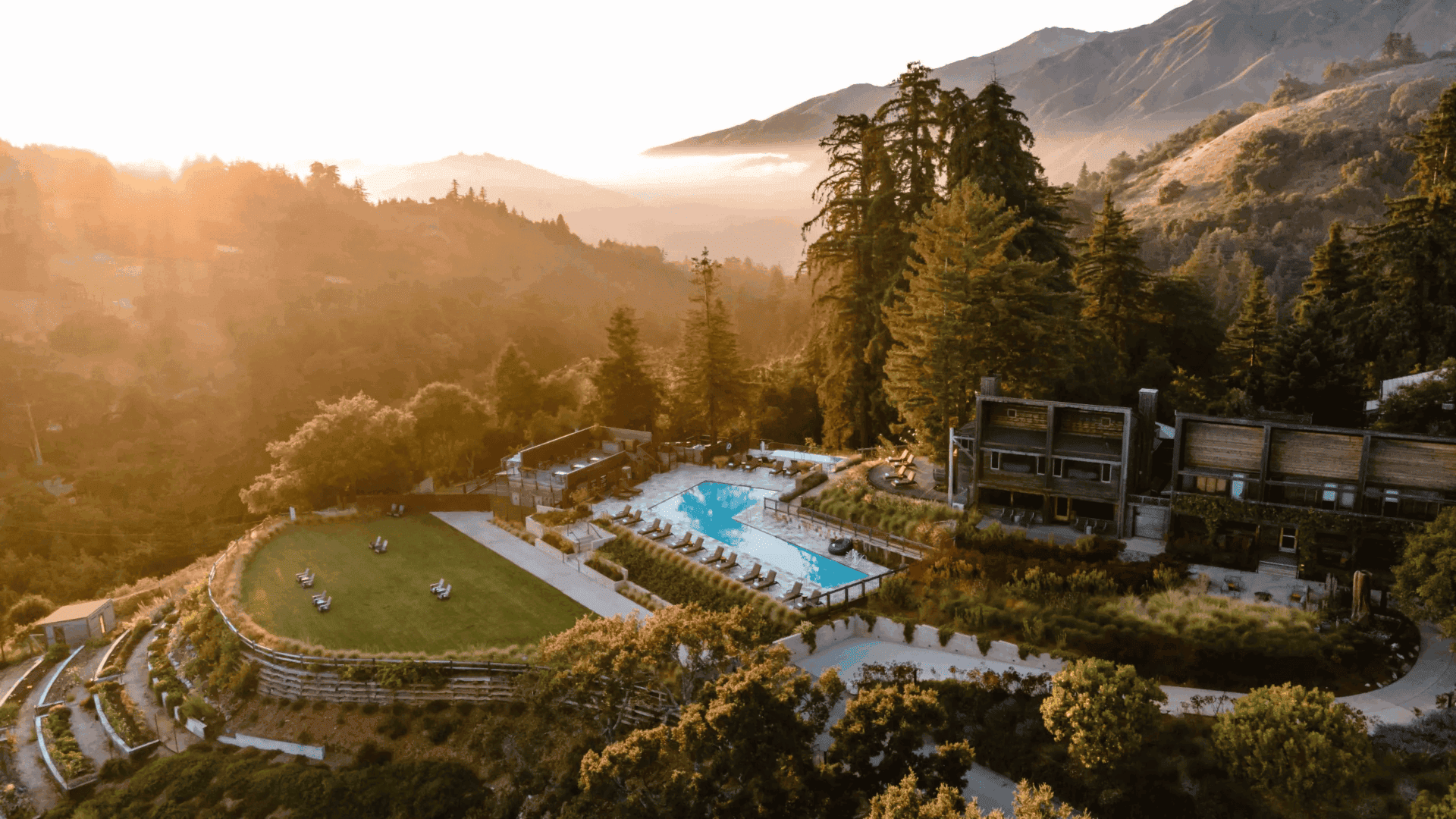
Alila Ventana Big Sur’s sustainability page does something most resorts avoid: it gets granular.
It states:
That is exactly how modern boutique luxury should operate in environmentally sensitive destinations: specifics, measurement, and a clear acknowledgment that “Big Sur is far bigger than us.”
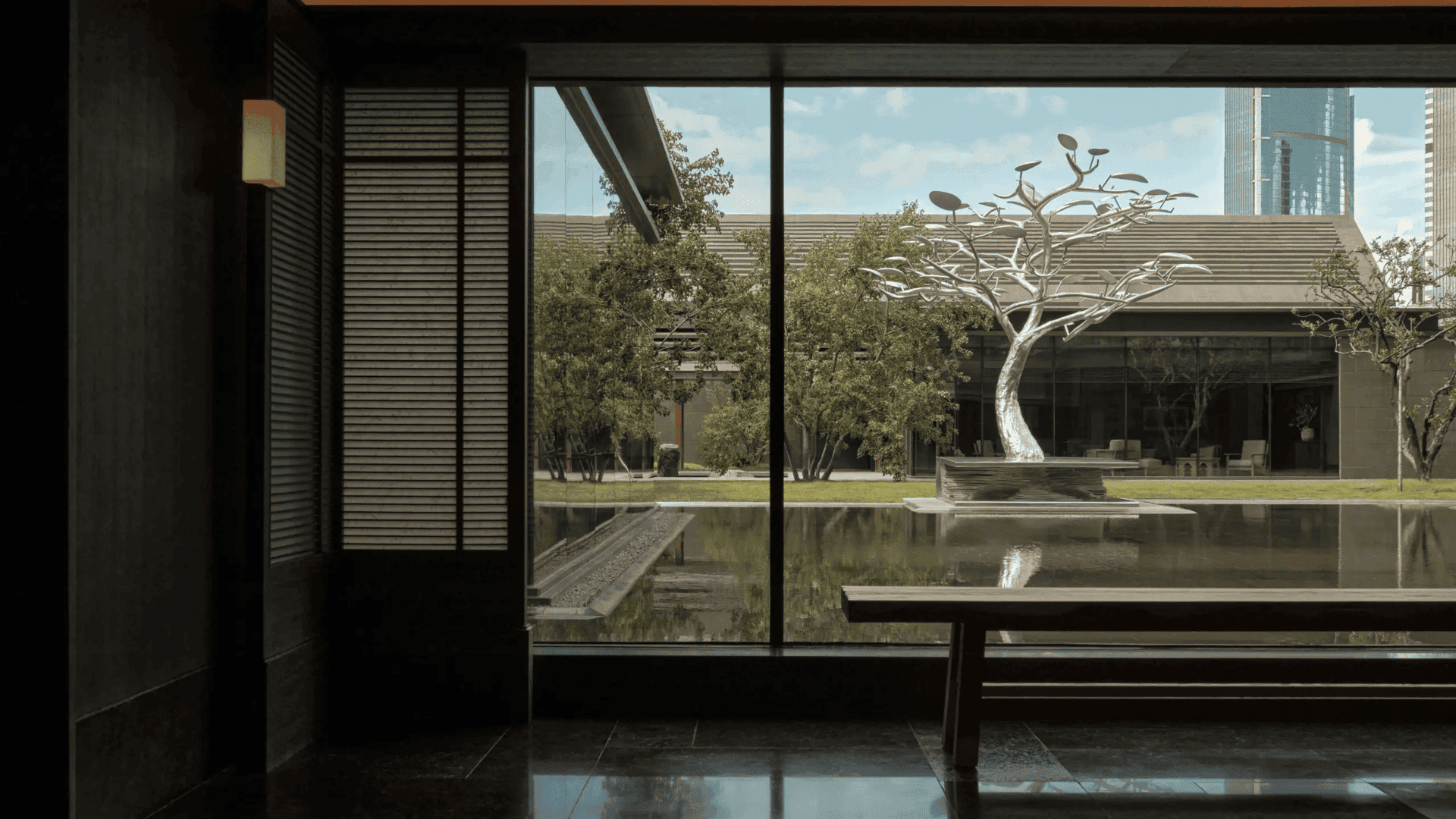
Alila Shanghai shows how the brand’s sustainability logic extends into the city—where heritage preservation, embodied carbon, and water strategy become the real tests.
The case study highlights:
This is sustainability as design intelligence—precisely the direction premium hospitality must go if it wants to remain legitimate in global cities.
A less glamorous but crucial aspect of responsible hospitality is the legal architecture of development. A case study on Alila Villas Soori references an Environmental Impact Assessment using Indonesia’s AMDAL system—described as a tool to integrate environmental concerns, define mitigation and monitoring measures, and help pre-empt socio-cultural conflict.
This is the unspoken truth of premium sustainability: it is as much governance as it is technology.
If sustainability is the operating system, experience is the guest-facing interface.
Alila’s official philosophy emphasizes immersion, authentic connections, and staff as storytellers who share local culture with sincerity—creating exchanges that foster connection.
In 2025, Hyatt’s “A World Awaits” campaign described Alila as curating discovery, serenity, and immersion, with wellness, environmental care, and respect for local tradition at the core—and introduced “Alila Moments,” exclusive experiences grounded in each destination.
This matters because boutique hospitality wins when it provides access that is:
When done well, “Alila Moments” can become a mechanism for cultural protection—supporting artisans, knowledge-keepers, guides, and local micro-economies—while offering guests something increasingly rare: meaningful proximity.
Here is the uncomfortable truth of the current market:
World Travel & Tourism Council has reported that while consumers express support for sustainable travel, purchasing decisions are still dominated by cost and quality; sustainability ranks as the primary factor for only a small minority.
For luxury and boutique hospitality, this creates a clear imperative:
Sustainability must be embedded in quality.
The guest should feel the benefit—healthier air, calmer spaces, better food provenance, deeper cultural access—without ever experiencing sustainability as a downgrade.
Alila is one of the brands that has consistently pursued this integration.
At Regenera Luxury, we draw a practical distinction:
Alila already operates with several regenerative prerequisites:
Where the next chapter becomes truly powerful is when brands like Alila translate these foundations into transparent net-positive targets, considering each destination as a living ecosystem, such as:
This is where boutique hospitality can become what it should be at its best: a proud regenerator of local culture and legacy, not merely a refined visitor economy and reducing harm.
Alila’s relevance is rising for three reasons:
In the future of luxury, regeneration and legacy are the ultimate rating.
–
Regenerative travel is emerging as one of the defining ideas shaping the future of tourism. Yet to understand its true...
Read more →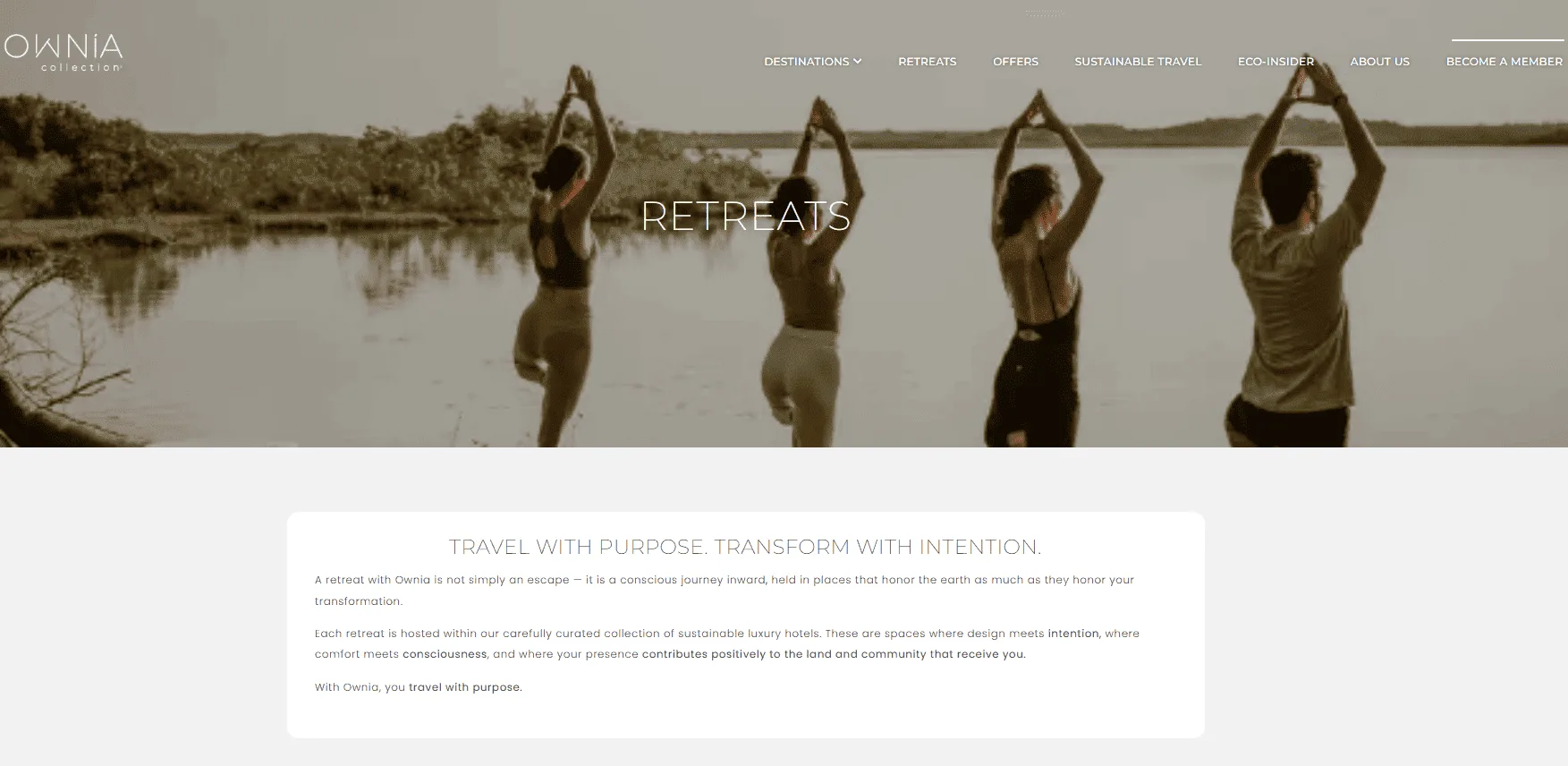
Strategic Alliance: Regenera Luxury x Ownia Collection, Regenera Luxury is proud to announce a strategic partnership with Ownia Collection, a...
Read more →
Europe’s sustainability framework is reshaping the future of hospitality. In 2026, luxury and boutique hotels can no longer rely on...
Read more →