
What Regenerative Travel Truly Means: From Intention to Verified Impact
Regenerative travel is emerging as one of the defining ideas shaping the future of tourism. Yet to understand its true...
Read more →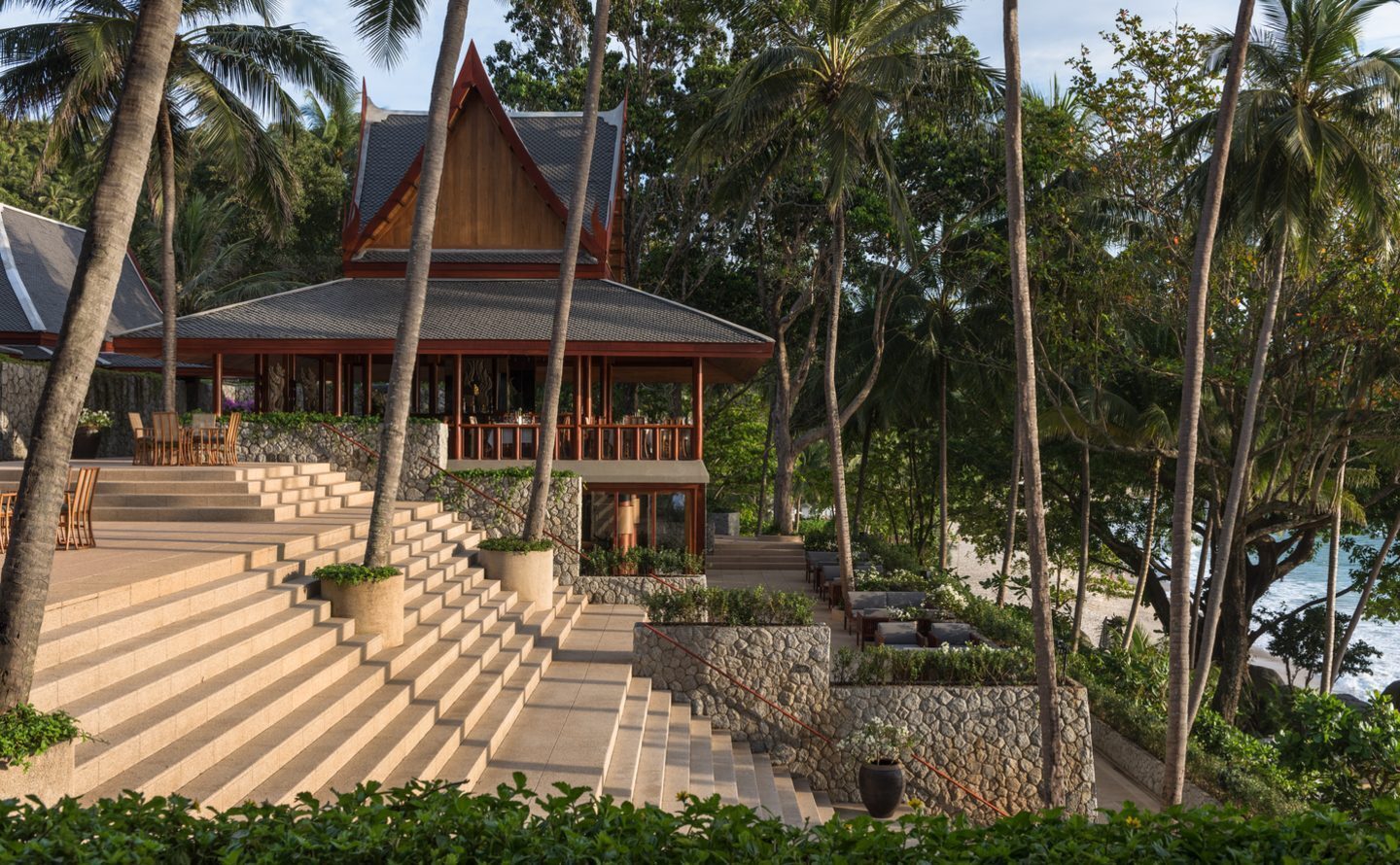 Boutique Icons Series, Ep.1. Aman, The Brand That Turned Silence into the Highest Form of Luxury
There is a quiet truth the best boutique hotels have always understood: the most valuable luxury is not what you add, but what you leave behind—the cadence of a village, the dignity of a craft, the integrity of a coastline, the memory held in stone, soil, and story.
That belief is the spine of this new Regenera Luxury editorial series. We will revisit the brands that have set the tone for global hospitality—especially those that proved boutique scale can be a form of stewardship: a model where intimacy is not only an aesthetic choice, but a mechanism for safeguarding culture and legacy.
For our first edition, we begin with one of the most influential luxury brands of the last decades: Aman.
Aman didn’t redefine luxury with gold or spectacle. It redefined it with silence, with space, with the subtle choreography of calm. Even the company frames its ethos through a single word—derived from Sanskrit meaning “peace.”
What made Aman extraordinary wasn’t only beauty (many can build beauty). It was discipline: an insistence on low density, privacy, and design that feels as though it belongs to the landscape rather than sitting on top of it.
In boutique hospitality, this discipline is not merely “style.” It is a way of keeping a destination legible—so the guest experiences the place, not just the property.
The origin story begins in 1988, on the shores of Phuket, when Aman opened Amanpuri—now widely recognized as the brand’s first property and the blueprint for what followed.
Its founder, Adrian Zecha, didn’t chase conventional opulence. He built an alternative to it: sanctuary as an operating system. The early “Aman idea” proved that calm could be scaled—carefully—without losing its soul.
That blueprint shaped a generation of luxury hotel design and service. It also created something rarer: a brand identity built less on “signature style” and more on a signature feeling.
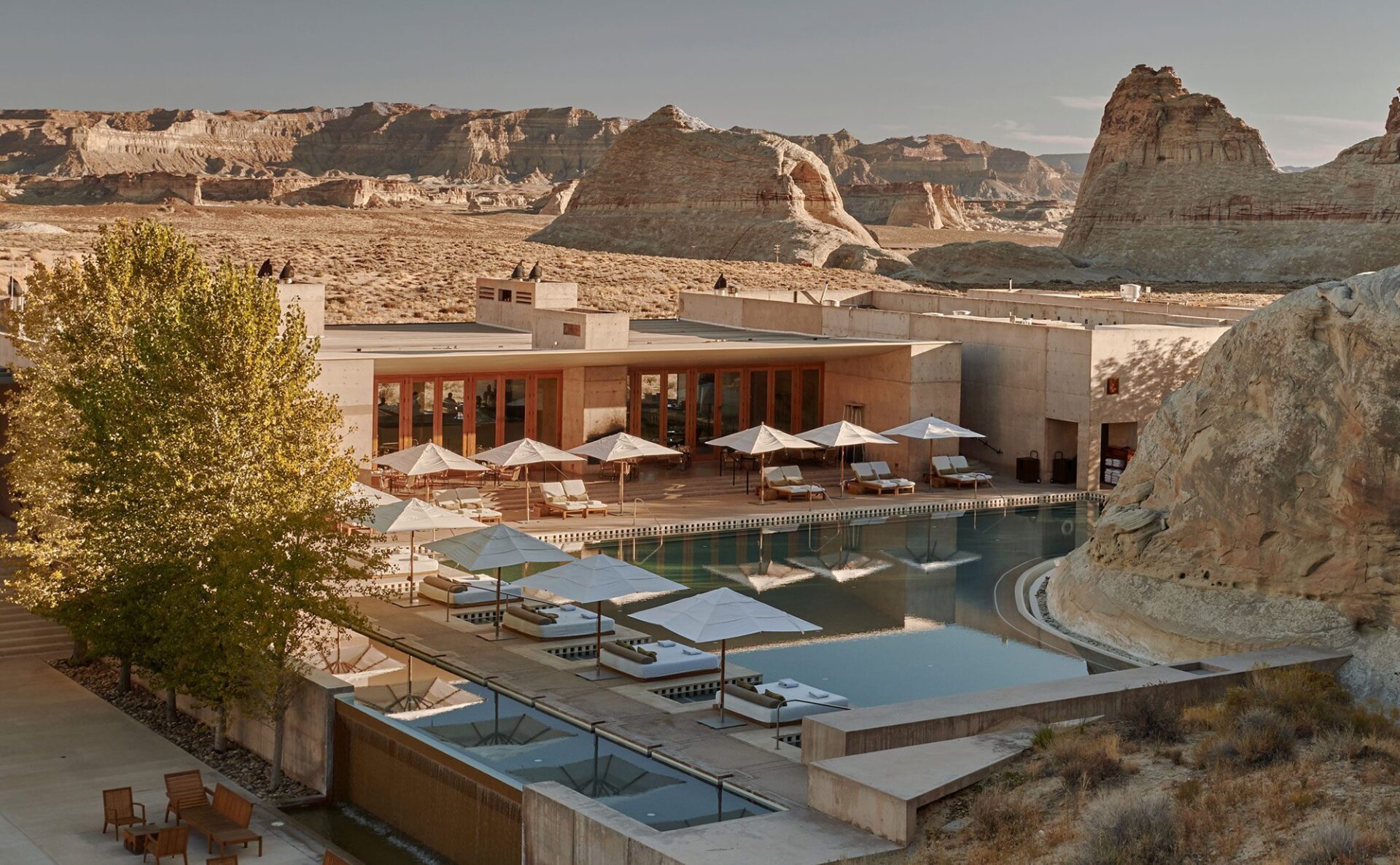
Aman’s long-term differentiation is rooted in a deceptively demanding principle: the destination remains the protagonist. On its sustainability platform, Aman states that cultivating a symbiotic relationship with host communities and environments—and embracing local culture—has been central since the beginning.
The brand also highlights an important geographic fact: 15 Aman properties are on or close to UNESCO-protected sites, and it frames this as active support for heritage and conservation.
In boutique hospitality, proximity to heritage carries responsibilities that go beyond guest satisfaction:
Aman, by virtue of where it operates—and what it sells—sits directly in this arena.
Since 2014, Aman has been led by Vladislav Doronin, identified by the company as owner, chairman, and CEO.
In an extended interview with Skift, Doronin explains the growth paradox with notable clarity: Aman remains a boutique proposition by design, with resort key counts intentionally low and urban properties generally staying below typical luxury scale—an operational decision that protects intimacy and pricing power. He also describes the strategy behind launching Janu as a complementary, more social expression of luxury, without diluting the Aman core.
This matters for boutique hospitality globally: it reinforces a crucial point we often emphasize in Regenera Luxury—boutique is not a size; it is a philosophy of restraint. Restraint in keys. Restraint in footprint. Restraint in noise. Restraint in extraction.
Aman structures its sustainability approach around four pillars: local heritage, local culture, environmental protection, and social responsibility, and notes alignment with recommendations GSTC and REGENERA LUXURY while building a holistic strategy.
What makes this increasingly credible is the operational specificity Aman publishes. A few examples from the brand’s own sustainability page include:
For luxury, the strategic takeaway is simple: sustainability must be legible. Not as a claim, but as systems guests can see, feel, and trust.
In January 2026, Aman expanded the sanctuary concept into an entirely new medium: the ocean. Luxury Tribune reports that Aman unveiled the inaugural itineraries for Amangati, with Mediterranean voyages beginning in spring 2027 and routes curated around culture and architectural heritage.
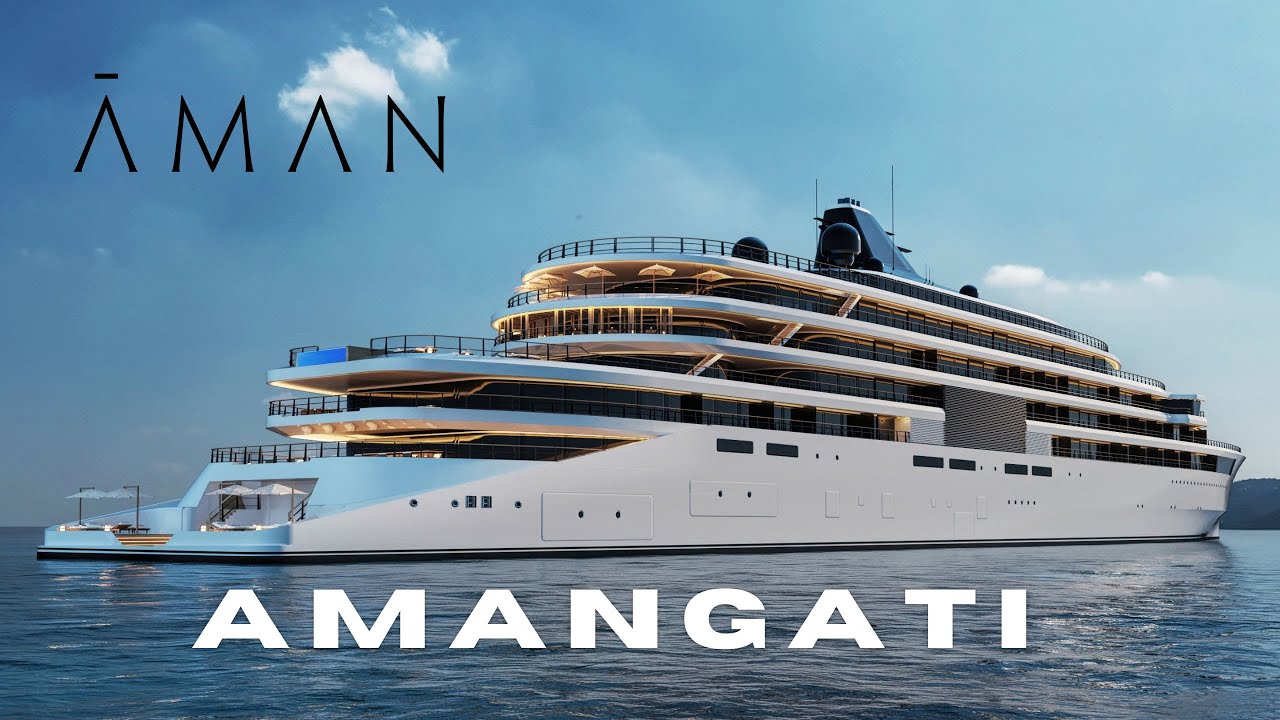
The details, as reported, read like a floating expression of the Aman thesis:
Whether on land or sea, the commercial logic remains consistent: scarcity of space, abundance of calm.
But in the regenerative era, the ocean introduces heightened scrutiny—marine ecosystems, port pressure, emissions, and local value capture. “Sanctuary,” at sea, has to be earned with even sharper accountability.
The industry often over-romanticizes consumer intent. World Travel & Tourism Council has been direct about the “say–do gap”: across consumer segments, cost and quality dominate purchase decisions, while sustainability is a primary driver for only a small minority.
This is not an argument against sustainability. It is a strategy note for luxury leaders:
Impact cannot be positioned as a trade-off. It must be delivered as a deeper form of quality—healthier, more authentic, more meaningful, and more provable.
This is where boutique hospitality has a structural advantage: lower density, tighter community relationships, and greater ability to align experience with place-based benefit—if leadership chooses to measure and manage it.
At Regenera Luxury, we see the same inflection point across markets: after years of sustainability work—waste reduction, efficiencies, even third-party certifications—many properties find themselves with limited competitive advantage because sustainability is increasingly “the norm.”
many properties find themselves with limited competitive advantage because sustainability is increasingly “the norm.”
This is precisely why Regenera Luxury formalized the Regenerative Management Program (RMP™) as a two-part model: transformation first, validation second—built around baseline diagnosis, priority roadmap, leadership training, and a KPI dashboard/evidence system, followed by independent audit and certification.
Our philosophy is captured in a line that has become foundational to our work: “Luxury is no longer defined by what we extract from a place, but by the emotions and the legacy we leave behind for people, culture, and nature.”
Aman already possesses many prerequisites for a regenerative luxury pathway:
For luxury brands “regeneration” is increasingly a destination-level agenda, not just a hotel-level aspiration. The brands that align early will protect not only ecosystems, but their own long-term license to operate.
Aman’s legacy offers a set of principles every boutique-led luxury hotel can learn from:
Aman showed the world that the most refined luxury can be quiet.
Now the global hospitality sector is being asked to master something even more difficult: quiet excellence that leaves measurable good behind—for culture, nature, and community—without ever compromising the guest experience.
That is the thesis of this series. We begin with Aman because it proved a sanctuary can be a business model. The next question—one we will explore again and again across brands—is whether that sanctuary can become regenerative: not only protecting what exists, but helping places heal, thrive, and endure.
–
Regenerative travel is emerging as one of the defining ideas shaping the future of tourism. Yet to understand its true...
Read more →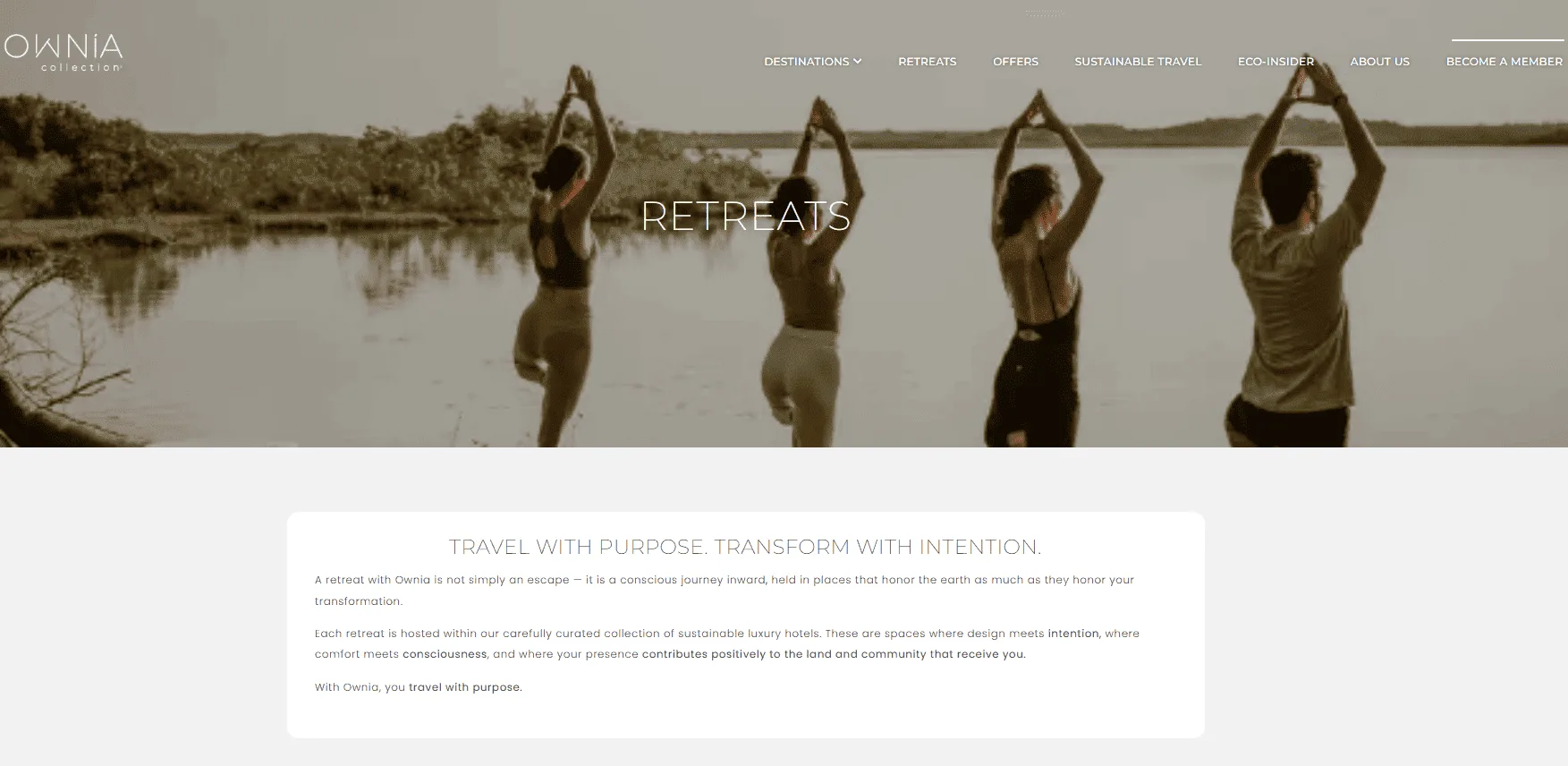
Strategic Alliance: Regenera Luxury x Ownia Collection, Regenera Luxury is proud to announce a strategic partnership with Ownia Collection, a...
Read more →
Europe’s sustainability framework is reshaping the future of hospitality. In 2026, luxury and boutique hotels can no longer rely on...
Read more →