

What Regenerative Travel Truly Means: From Intention to Verified Impact
Regenerative travel is emerging as one of the defining ideas shaping the future of tourism. Yet to understand its true...
Read more →

Partha Banerjee
At REGENERA LUXURY, we love finding hidden places, rich heritage, and supporting communities. This time, we share an amazing journey with Mr. Partha Banerjee.

Loharkhet to Dhakuri
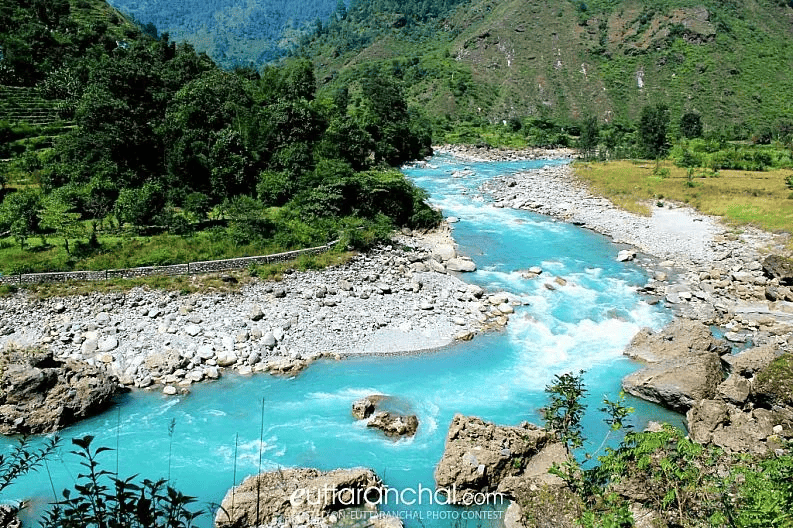
We started our trek from Loharkhet. The forest smelled fresh and dense. We walked for four hours from Deora village and stayed near Almora. The waterfalls along the way created a soothing sound.
Our first trek was 12 km to Dhakuri. By the time we arrived, it was dusk. The chef welcomed us with hot tea. Our tents had cozy mattresses that felt just like home.
–
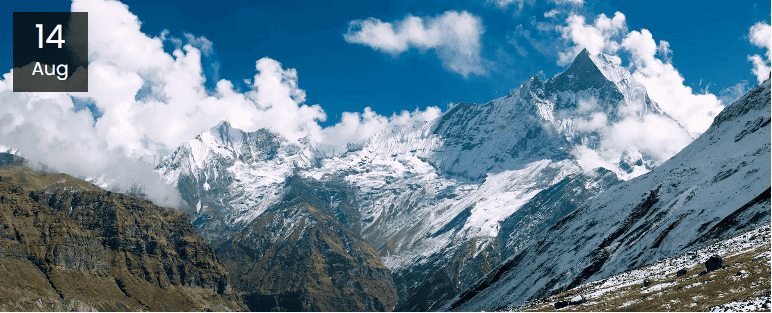
The next morning, we woke to a stunning view of snow-capped mountains. We hiked 13 km to Khati village. We camped 300m from the village with views of the peaks. The sunset painted Pindar Valley in orange hues.
The next day, we walked 14 km uphill to Dwali village. This small place had a few shops for trekkers. Peaks like Panwali Dwar (6683m) and Maikotli (6803m) looked sharp under the sunlight.
–
We walked a whole day to reach the alpine range. Fresh snowfall covered the ground. That night, the full moon shined over our tents. The stars twinkled above the snowy mountains.
After a delicious dinner, soft snow covered our tents. The next morning, the sunrise reflected off the fresh snow. We walked 1 km to the river source. The mighty Pindar River feeds into Alaknanda.
As we descended, we saw wild horses grazing on lush green fields. This untouched land felt like heaven.
Exploring Nanda Devi
Nanda Devi, India’s second-highest peak, stands in a UNESCO World Heritage site. The trek began from Munsiyari, a hub for Himalayan treks. This town was a trade center before the 1960s.
We drove 12 km to Chilam Dhar, our trek’s starting point. After an 8 km moderate walk, we reached Lilam. This small village had only one tea shop and two houses. We camped near a vegetable garden, adding fresh produce to our meals.
–
After breakfast, we hiked 16 km uphill to Bukdiar, an army camp. The path was rough. We met the Indo-Tibet Border Police (ITBP) along the way. Porters and mules filled the trail. A mountain goat carried a sugar pouch for the border police.
We camped near the Gouri Ganga River. The sound of white water filled the night.
–
The next day, we reached Martoli village. It looked beautiful from afar. But as we got closer, it felt empty, like a ghost village.
The next morning, we visited Nanda Devi Temple. This temple is central to the Nanda Devi festival, held every 12 years.
–
We walked 17 km to Gahngar village, the base camp’s gateway. The chilly wind from the glaciers hit us hard. By afternoon, we saw the mighty Nanda Devi East ridge.
The next morning, we started our trek at sunrise. The red glow of the peak shifted as we walked. A 5 km uphill walk led us to the best view of Nanda Devi’s East and West peaks. Wild Thar goats greeted us along the way. We had breakfast in the warm sunlight before descending to Barfu village.
–
Barfu village caught our eye. A Tibetan school from the 1960s still stood. We had tea with a villager. Roads may soon reach Barfu, but we hope it stays the same.
The houses were small but warm. Local liquor and pancakes were added to the celebration. We danced and picked wildflowers. Our journey ended with a deep spiritual experience.
–
Nepal leads in alpine expeditions in Southeast Asia. However, India can also develop alpine tourism for domestic and global travelers.
Darma Valley and Pindari Valley need attention. Their populations are small. Farming is limited. Young people struggle to find work in these remote areas.
Tourism can help. Studies show how eco-tourism boosts economies in Nepal. Read more here: Study on eco-tourism in Nepal.
Regenerative travel is emerging as one of the defining ideas shaping the future of tourism. Yet to understand its true...
Read more →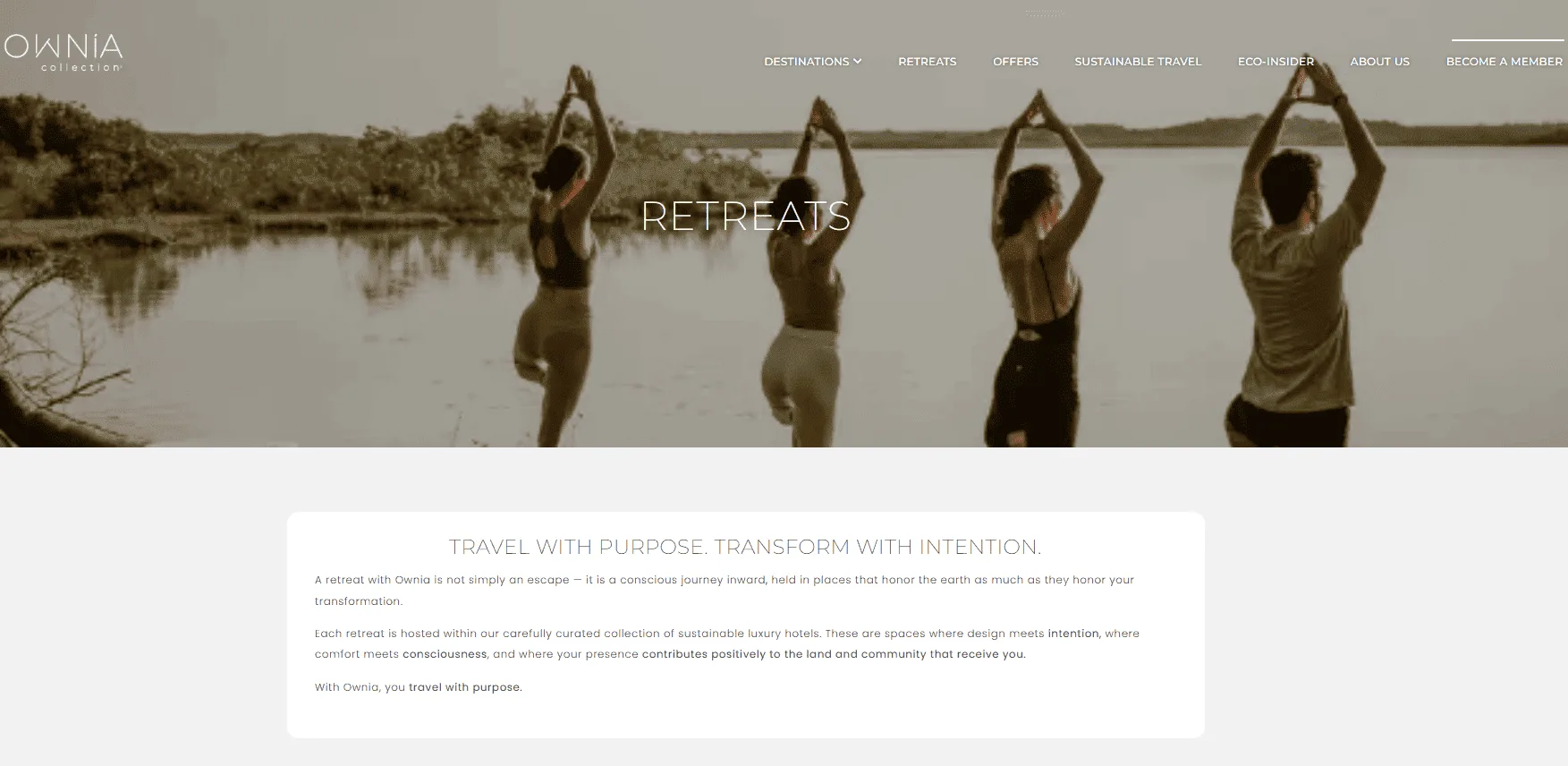
Strategic Alliance: Regenera Luxury x Ownia Collection, Regenera Luxury is proud to announce a strategic partnership with Ownia Collection, a...
Read more →
Europe’s sustainability framework is reshaping the future of hospitality. In 2026, luxury and boutique hotels can no longer rely on...
Read more →