

What Regenerative Travel Truly Means: From Intention to Verified Impact
Regenerative travel is emerging as one of the defining ideas shaping the future of tourism. Yet to understand its true...
Read more →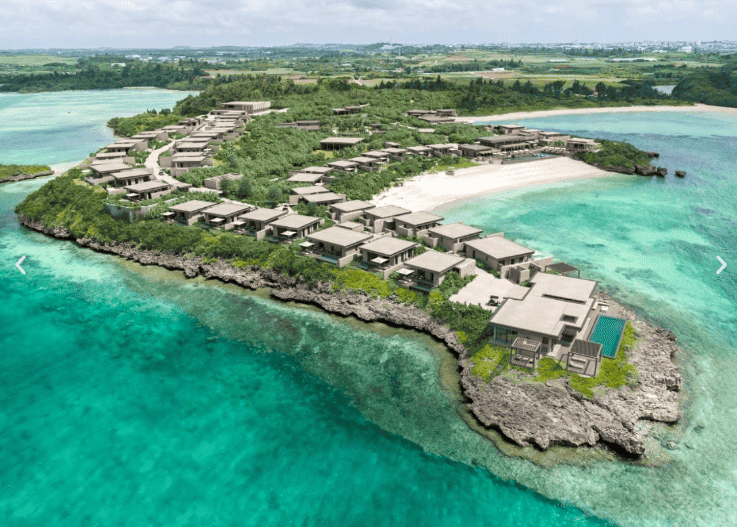
On March 5, 2025, Rosewood Hotels & Resorts unveils Rosewood Miyakojima, marking the brand’s highly anticipated debut in Japan. Nestled on an untouched peninsula of Miyakojima—a remote tropical island south of mainland Japan—the resort introduces Rosewood’s signature ultra-luxury experience to a destination renowned for its spiritual heritage and pristine natural beauty. More than just a luxury retreat, Rosewood Miyakojima embodies a regenerative approach, seamlessly integrating with its environment and local culture while setting a new standard for hospitality in the region.
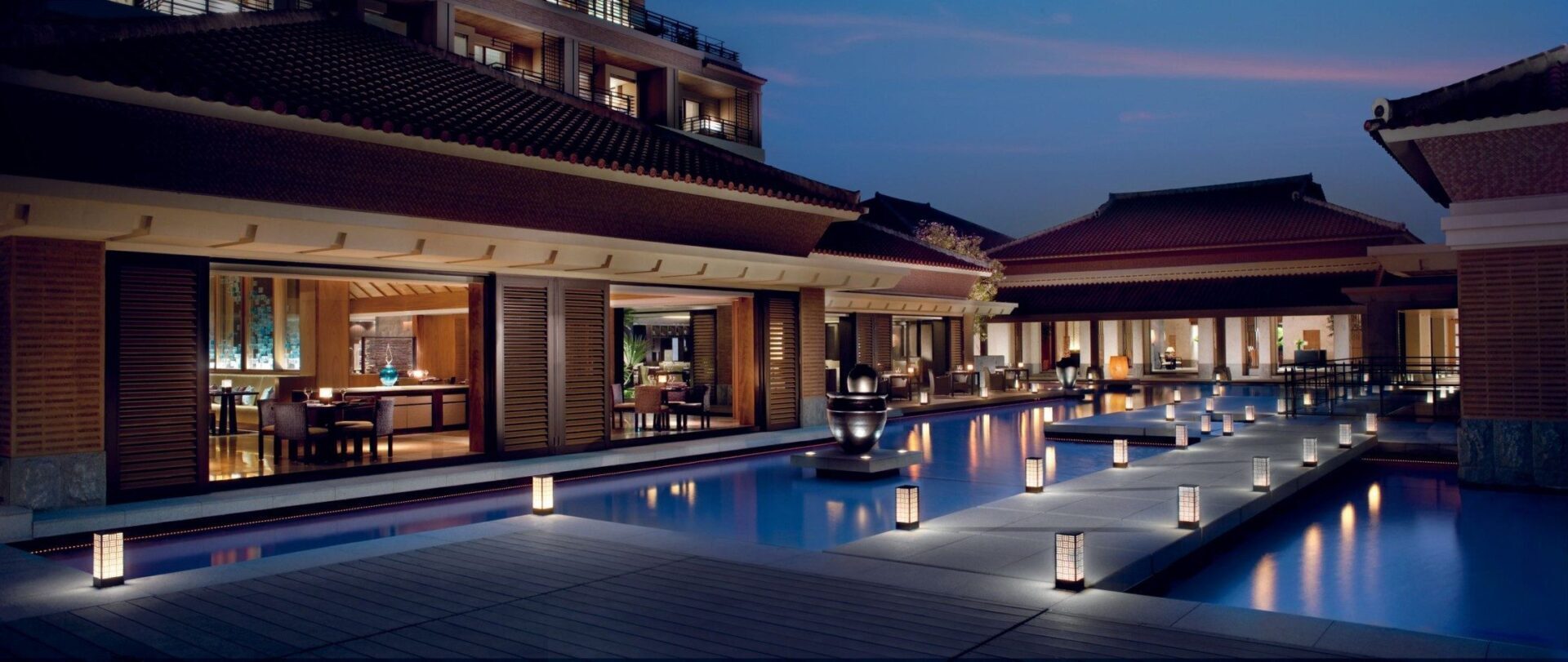
Rosewood’s commitment to “A Sense of Place” finds its ultimate expression in Miyakojima, where the resort embraces the island’s unique ecosystem and traditions. Designed by Studio Piet Boon, the architecture reflects the serene landscapes of the Ryukyu Islands, blending natural materials such as local Ryukyu limestone, reclaimed wood, and handcrafted textiles. This thoughtful approach echoes the values of Regenera Luxury, which emphasizes luxury that not only enhances guest experience but also actively restores and enriches local environments and communities.
At Rosewood Miyakojima, local heritage is at the heart of the experience. The resort collaborates with Tsuboya pottery artisans, particularly master craftspeople from the renowned Kinjo family, to showcase Okinawa’s centuries-old ceramic traditions. These handmade pieces, found throughout the resort’s interiors, provide an authentic connection to local craftsmanship while supporting the continuation of traditional arts.

Beyond design, immersive cultural experiences allow guests to engage deeply with Miyakojima’s heritage. Guests can experience one of the most distinctive offerings by learning traditional Okinawan spearfishing, a practice sustainably used for generations in the island’s crystal-clear waters. Guided by local fisherfolk, this experience teaches guests about marine conservation while honoring the region’s ancient subsistence traditions.
Such initiatives align with Regenera Luxury’s criteria for holistic and community-integrated hospitality, ensuring that tourism contributes positively to local knowledge and ecosystems rather than exploiting them.

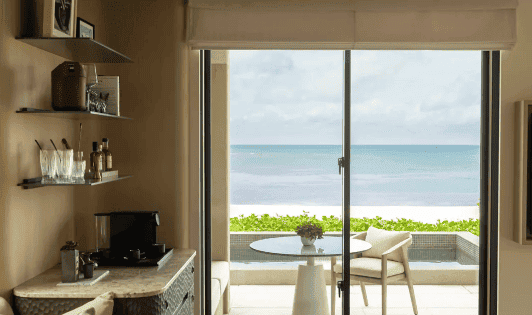
The resort’s 55 exclusive villas and houses, positioned strategically across the peninsula, offer breathtaking ocean and mountain views while maintaining a low environmental footprint. Each space maximizes natural ventilation and light, reducing energy consumption while fostering harmony with nature.
The culinary experiences at Rosewood Miyakojima further enhance its commitment to local authenticity:
Rosewood’s culinary philosophy integrates regenerative agriculture, emphasizing zero-waste principles, locally sourced ingredients, and biodynamic farming partnerships to align with the regenerative luxury movement.
Wellness is a fundamental pillar of Rosewood Miyakojima, with the Asaya Spa offering therapies inspired by Okinawa’s famed traditions of longevity. Signature treatments incorporate herbal compress therapies, marine mineral applications, and sea salt-infused rituals, all designed to restore balance to body and mind.
Guests can also engage in wellness experiences rooted in nature, such as:
Such offerings align with the growing demand for wellness-driven travel. According to recent market forecasts, Japan’s eco-luxury and regenerative hospitality sector is projected to grow by 12% annually from 2025 onward, driven by increased traveler interest in meaningful, sustainable, and health-focused experiences.
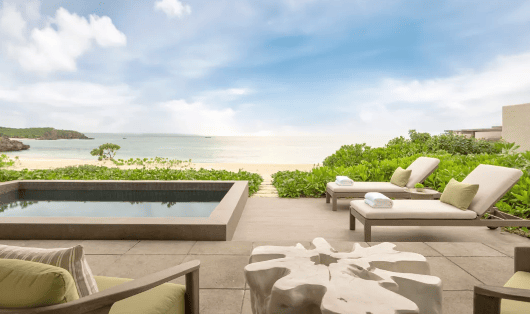
The opening of Rosewood Miyakojima marks a pivotal moment for luxury hospitality in Japan. As the regenerative luxury movement gains momentum, brands that champion cultural preservation, environmental restoration, and local community engagement will define the future of the industry.
“Luxury today is about deeper experiences. Our vision is to create destinations that connect guests with their surroundings in a way that is both meaningful and responsible.” – Sonia Cheng, CEO of Rosewood Hotel Group
With its holistic approach to regenerative tourism, cultural immersion, and environmental stewardship, Rosewood Miyakojima not only elevates Japan’s luxury hospitality landscape but also sets a new benchmark for the future—one where the most exclusive travel experiences are those that give back more than they take.
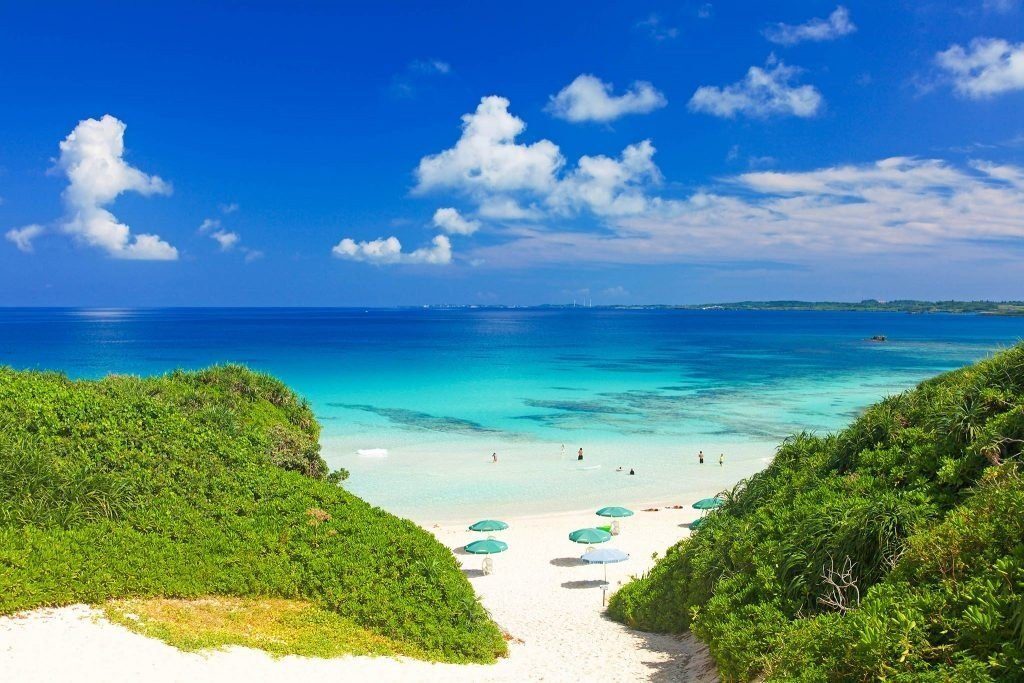
With these trends in mind, Rosewood Miyakojima stands at the forefront of a transformative shift in luxury hospitality, where opulence is defined not by excess, but by its ability to restore, inspire, and regenerate.
Regenerative travel is emerging as one of the defining ideas shaping the future of tourism. Yet to understand its true...
Read more →
Strategic Alliance: Regenera Luxury x Ownia Collection, Regenera Luxury is proud to announce a strategic partnership with Ownia Collection, a...
Read more →
Europe’s sustainability framework is reshaping the future of hospitality. In 2026, luxury and boutique hotels can no longer rely on...
Read more →