What Regenerative Travel Truly Means: From Intention to Verified Impact
Regenerative travel is emerging as one of the defining ideas shaping the future of tourism. Yet to understand its true...
Read more →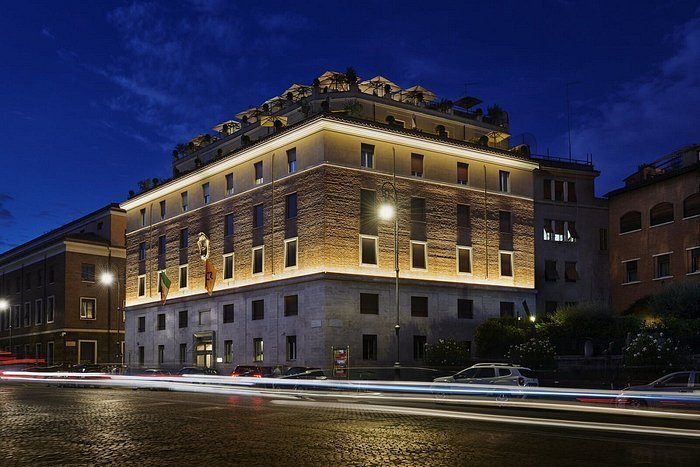 In a city posting record tourism numbers and rising global luxury demand, Hotel Fortyseven in Rome stands apart not by being louder, but by being more intelligent. Set in the Forum Boarium, facing the Mouth of Truth and steps from the Circus Maximus, today’s 47 Boutique Hotel offers a rare blend of archaeology, design, gastronomy and purpose. Its Green Globe credentials established a serious sustainability foundation; its progression toward Regenera Luxury’s Regenerative Management Program and certification signals something more ambitious: a move from reducing harm to creating measurable value for place, culture, community and guest experience.
| Hotel Fortyseven advances to position itself as one of Rome’s most intelligent boutique addresses: a design-led property in the Forum Boarium that has already built a credible sustainability baseline and is now strategically evolving toward regenerative luxury through the Regenera Luxury Regenerative Management Program and certification pathway. |
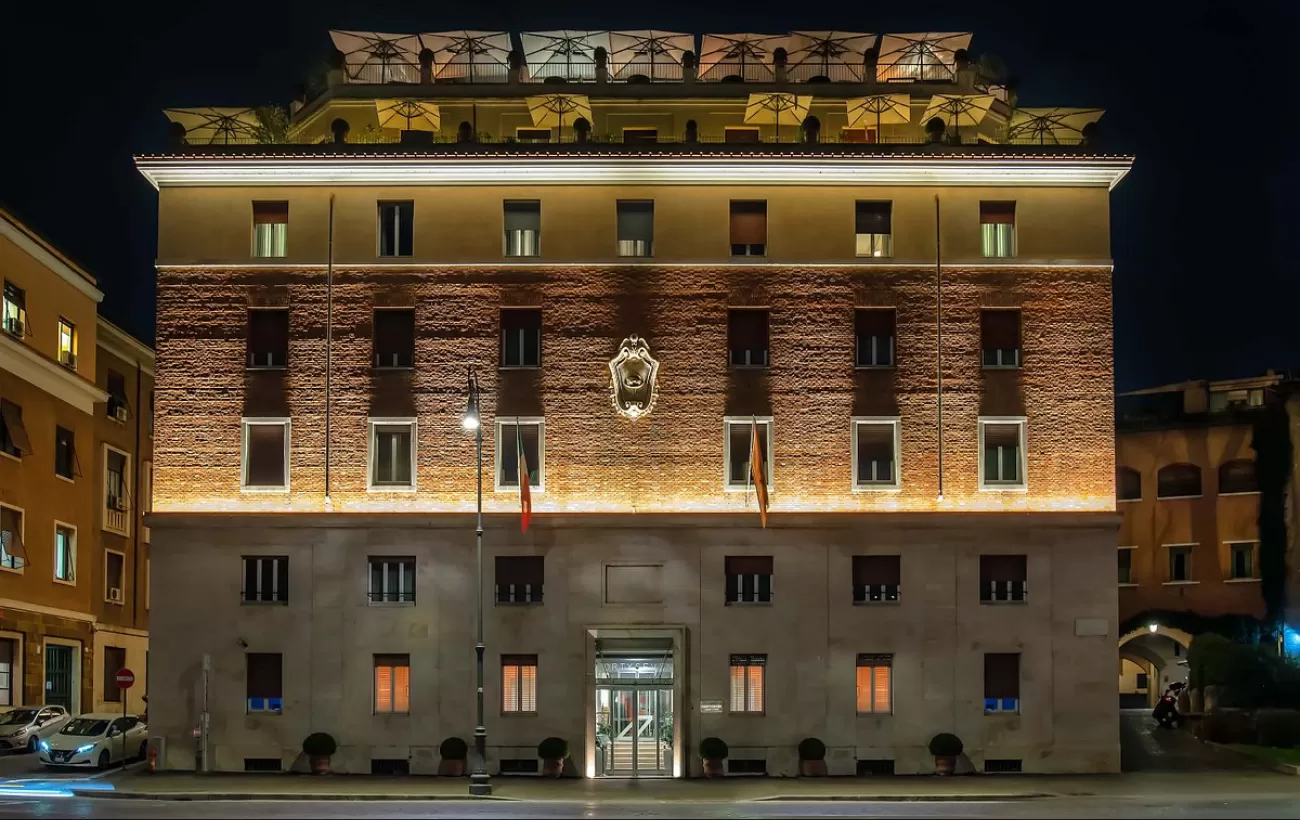
There are Roman hotels that offer access to the city, and there are Roman hotels that alter the way you understand it. Hotel Fortyseven — today’s 47 Boutique Hotel — belongs to the second category. Facing Piazza Bocca della Verita in the ancient Forum Boarium, the property is not simply central; it is anchored in one of the oldest civic, commercial and symbolic landscapes in Rome. Michelin’s hotel selection describes it as a perfectly contemporary luxury boutique hotel with a modernist spirit, while the hotel itself presents a 61-room address with five themed floors, a panoramic rooftop restaurant, a wellness area and a location within easy walking distance of the Circus Maximus, the Theatre of Marcellus, the Roman Forum and Trastevere.
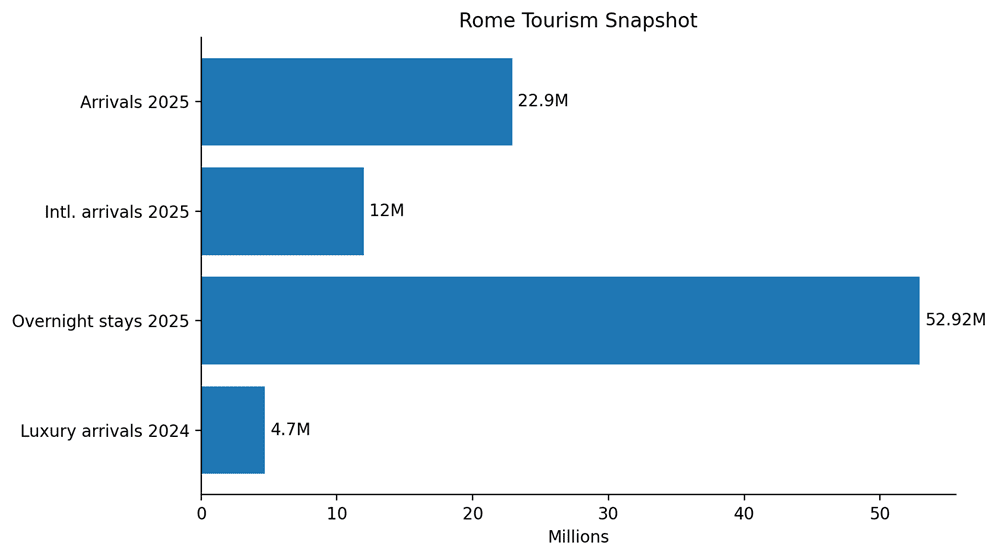
Figure 1. Rome tourism context: the city’s scale and luxury demand reinforce the need for hotels that deliver depth, differentiation and responsible place stewardship.
That combination of intimacy and historical gravity matters more than ever because Rome is living through a new phase of international tourism expansion. Official data published by Turismo Roma show that the city closed 2025 with 22.9 million arrivals, including 12 million international visitors, and 52.92 million overnight stays — a record performance that exceeded the previous high reached in 2024. The same official tourism ecosystem reports around 4.7 million arrivals in Rome’s luxury segment in 2024, with an average stay of 4.1 nights. In other words, the Eternal City is attracting not only more travelers, but more high-value, experience-driven guests who increasingly expect context, credibility and meaning alongside comfort.
What distinguishes Hotel Fortyseven in this environment is not scale, spectacle or inherited grandeur. It is editorial intelligence. The property knows exactly what part of Rome it is in, what kind of guest it wants to attract and what kind of luxury story it is beginning to tell. That story starts with archaeology and design, extends into sourcing and guest behavior, and now appears to be evolving from a sustainability foundation toward a more ambitious regenerative model of hospitality.
The hotel’s most strategic move is not that it became greener.
It is that it is beginning to redefine luxury as a better relationship with place and its legacy.
Why the Forum Boarium changes the Roman experience
Location is often overused in travel writing, yet at Hotel Fortyseven it is genuinely decisive. The Forum Boarium — the old cattle market between the Tiber and the Capitoline, Palatine and Aventine hills — was one of the earliest functional and sacred zones in ancient Rome. According to Turismo Roma, the district was reclaimed through the Cloaca Maxima, the engineering intervention that transformed a marshy basin into usable urban ground. This was where commerce, transport, ritual and river life converged. To stay here is to encounter Rome not as a decorative postcard, but as a legible urban system.
The square opposite the hotel gives immediate shape to that history. The Mouth of Truth, now one of the city’s best-known tourist icons, is described by Turismo Roma as a probable Roman sewer cover later recast by medieval folklore as a detector of lies and finally immortalized by cinema. Nearby stand the Temple of Portunus, tied to the old Portus Tiberinus river port, and the circular Temple of Hercules Victor, identified by the city as the oldest preserved marble building in Rome. These are not incidental landmarks. They reveal the economic and spiritual DNA of the district.
For travelers, the practical implication is unusually powerful. From Fortyseven, guests can move through Rome on foot with remarkable efficiency, but without surrendering themselves to the most over-saturated hotel corridors. The Circus Maximus, the Theatre of Marcellus, the Aventine, the Roman Forum and Trastevere all fall naturally into the hotel’s orbit. In a record-breaking tourism year, that quality of immersion is itself a form of luxury.
A boutique hotel that interprets Rome rather than imitating old grandeur
Inside, the hotel’s concept is unusually coherent. Instead of reproducing anonymous international luxury, it structures the stay around five themed floors: Italian design, fashion, 1960s icons, photography, and on the top level, rooms and suites with terraces that turn the skyline of ancient Rome into part of the guest experience. This matters because in a city with overwhelming historical capital, the best contemporary hotels do not compete with the destination; they curate a sharper way of reading it.
The design floor references figures and objects that shaped Italy’s modern creative identity, from Fornasetti and Gae Aulenti to Vespa, Moka and Olivetti. The fashion floor moves through icons, designers and imagery; the Sixties floor leans into cultural mythology; the photography floor pays tribute to image-makers whose work shaped the visual memory of the modern era. The result is cultured but not academic, stylized but not stagey.
The room inventory reinforces that point. The hotel offers 61 rooms and suites, several of which frame the view as part of the experience. The fifth floor, described by the hotel as ‘your terrace on history,’ gives the best categories a direct visual conversation with the Forum Boarium and surrounding monuments. In a city where many addresses trade heavily on location while delivering generic interiors, Fortyseven turns the room itself into a viewpoint.
The rooftop as Roman theatre
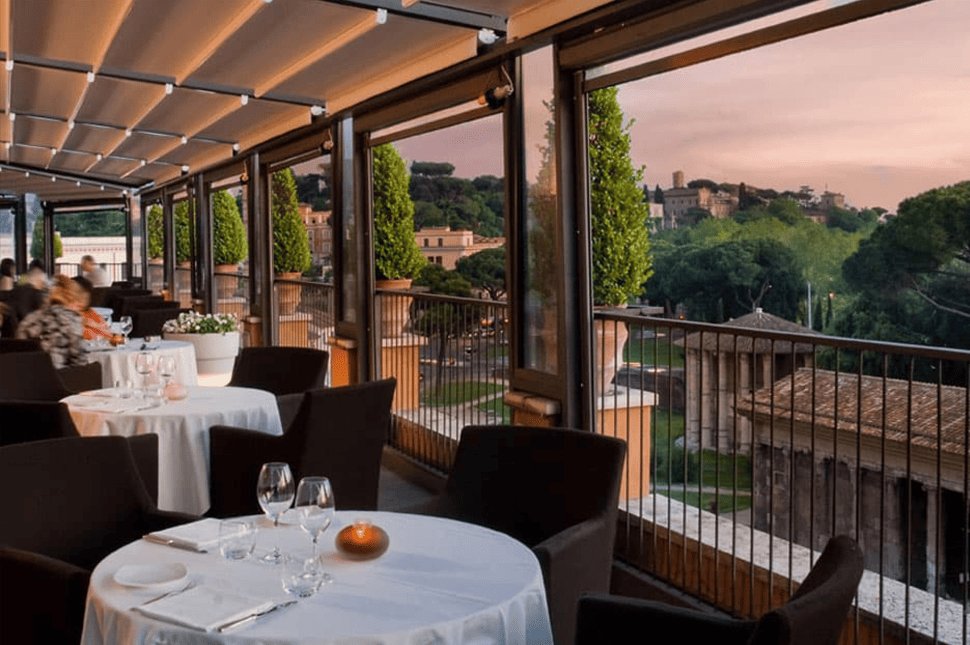
The emotional center of the property is the 47 Circus Roof Garden. The official restaurant pages position it as an elegant rooftop restaurant and cocktail bar overlooking Piazza Bocca della Verita, the Forum Boarium and the Theatre of Marcellus, while noting that it has held two forks from Gambero Rosso since 2020. The distinction matters because Rome has no shortage of rooftop venues. What Fortyseven offers is not merely height, but perspective.
From this terrace, the district’s logic becomes visible: temples, church portico, archaeological void, traffic, trade routes and layers of stone that still describe how Rome organized itself. The menu’s emphasis on local traditions, Mediterranean cuisine, seasonality and ingredient origin is therefore more than culinary positioning. It extends the same place-based lens to what arrives on the table.
This is where the hotel begins to stand out in a more strategic sense. Dining with a view is easy to sell in Rome; building a F&B identity that links view, sourcing and territorial logic is more difficult. Fortyseven is increasingly doing the latter.
From sustainability baseline to regenerative-luxury strategy
47 Boutique Hotel states that was the first hotel in Rome to receive Green Globe membership, obtained in May 2023. The significance of that milestone is operational. It establishes that the property has done the foundational work: renewable energy, LED lighting, reduced single-use plastic, refill systems, water-saving devices, responsible supplier choices and guest-participation measures are not abstract promises, but part of everyday management.
New data supplied directly by the hotel describes sustainability as operational and a mindset. Guests encounter refillable Filette water bottles at a ground-floor refill station, botanical and non-toxic Grown Alchemist skincare, sustainable amenities made from organic or recycled materials, Sprout World pencils that can be planted, and room systems in which removing the electronic key card automatically powers down non-essential devices. Linen changes are carried out only on request, reducing water, detergent and energy use.
These details matter editorially because they transform sustainability from a technical back-of-house file into part of the guest-facing experience. Luxury, in this model, is not reduced; it is redesigned. Wasteful habits are replaced by better rituals — more elegant, more intelligent and better aligned with the ecological reality of modern travel.
The hotel’s procurement story pushes the same logic further. Management highlights local collaborations such as Biscotti di Bele, while public hotel materials emphasize seasonal zero-kilometre products, homemade bread and focaccia, and a deliberate effort to shorten supply chains. The property begins to define itself not only as a sustainable hotel and what it avoids, but by what it improves and to whom it chooses to support.
Hotel Fortyseven Rome: Strategic Evolution Beyond Sustainability
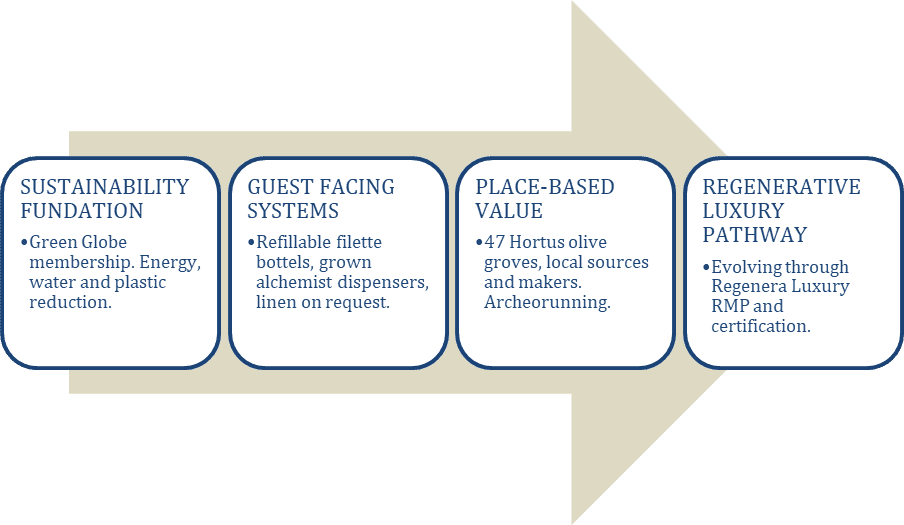
Figure 2. The hotel’s strategic evolution can be read as a sequence: operational sustainability, guest-facing behavior design, place-based initiatives and finally a measurable regenerative-management pathway.
47 Hortus, Olivami and the shift from lower impact to restorative value
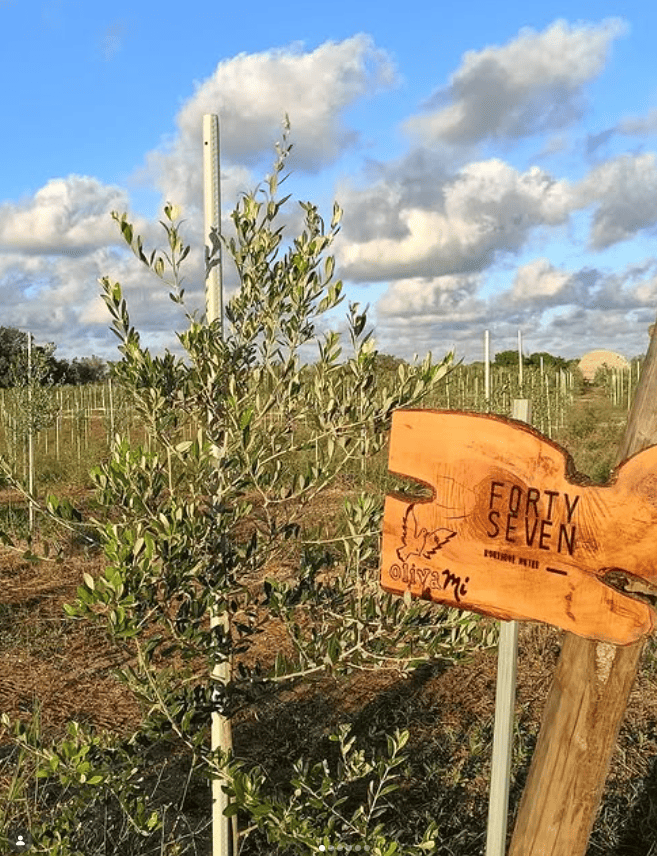
The clearest expression of Fortyseven’s transition beyond standard sustainability is 47 Hortus, the hotel’s agricultural project in the Marturanum Regional Park area of Tuscia. The estate spans four hectares and includes more than 200 olive trees, gardens and greenhouses dedicated to organic olive oil and vegetables which are used at the rooftop restaurant.
For an urban boutique hotel, this matters. Plenty of properties claim local sourcing; far fewer create an agricultural relationship with the landscape that feeds the guest experience. 47 Hortus begins to recast hospitality as something that not only consumes from a territory, but also helps cultivate it. The olive-grove imagery associated with the project gives physical form to that idea.
That same restorative logic appears in the hotel’s partnership with Olivami. According to Fortyseven’s official sustainability materials, the property adopted 60 olive trees in 2024 to support reforestation in Xylella-affected areas of Apulia while helping local farmers. The hotel also notes recognition from Plastic Free for its anti-plastic actions and environmental awareness support. Taken together, these initiatives show a property moving beyond simple efficiency into restoration, awareness and territorial participation.
ArcheoRunning and the new grammar of guest wellbeing
One of the most interesting guest-facing ideas is ArcheoRunning, promoted by the hotel as a way of experiencing Rome through low-impact movement. Rather than isolating wellness inside a gym or spa, the concept combines warm-up, running or power-walking stages, heritage interpretation and early-morning urban discovery. It links personal wellbeing to cultural immersion while keeping environmental impact low.
For the luxury sector, that matters because it suggests a more contemporary grammar of service. Wellness is no longer only about treatment rooms or product menus; it is about how the hotel choreographs movement, attention and relationship to place. ArcheoRunning does precisely that, and it helps explain why the language of Fortyseven is evolving beyond sustainability toward regenerative luxury.
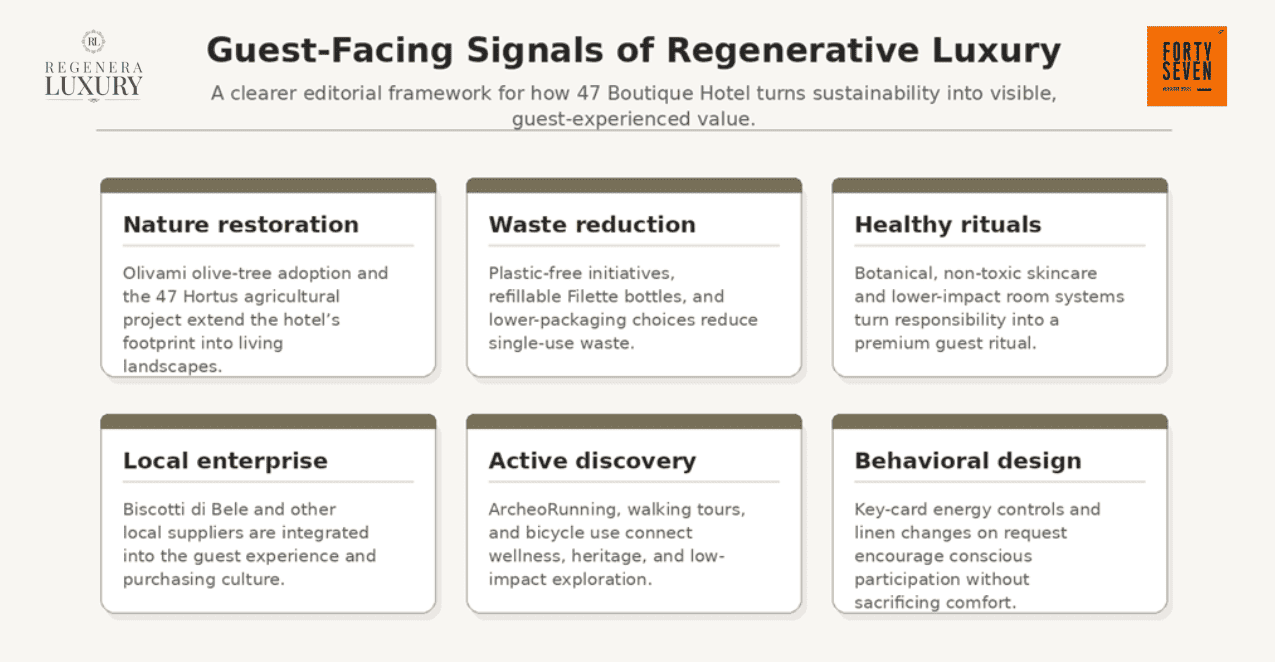
Figure 3. Guest-facing signals make the hotel’s sustainability mindset visible during the stay, helping convert technical management into experiential value.
Why the Regenera Luxury pathway matters strategically
This is where the hotel’s next chapter becomes especially important. From Regenera Luxury it is stated that Hotel Forty Seven in Rome is successfully implementing the Regenerative Management program and progressing to achieve the Regenera Luxury Certification. That wording is important and it signals a strategic evolution.
Regenera Luxury describes its Regenerative Management Program (RMP) as a management tool to control specific tasks, track action plans, and take metric-based decisions. The hotel is managing with regeneration in its scope and decision making process, contributing to nature, communities, culture, people and legacy through a structured dashboard and set of KPIs. For Fortyseven, the fit is strong. The hotel has a deeply place-based setting, a culturally literate design narrative, a food strategy linked to agricultural production, partnerships that touch restoration and environmental awareness, and guest experiences that combine wellbeing with lower-impact discovery.
Why this matters for Rome and for international travelers
Rome’s official tourism authorities increasingly frame the city’s challenge not only in terms of volume, but in terms of quality, sustainability and the distribution of tourism benefits. In a city that recorded 22.9 million arrivals and 52.92 million overnight stays in 2025, the next question is not whether tourism creates revenue. It clearly does. The more urgent question is what kind of hospitality model will shape that future travel demand.
Hotel Fortyseven offers one answer. Practically, it delivers a superb location, strong rooms, a rooftop worth seeking out and a boutique scale that feels manageable even in a city under heavy visitor pressure. Strategically, it offers a more interesting proposition: an urban luxury hotel that appears willing to evolve from doing less harm toward generating more value for place, culture, local enterprise and guest consciousness.
“Hotel Fortyseven proposes a superior proposition aligned to the global demand in a city under heavy visitor pressure, and it does it evolving from doing less harm toward generating more value for place, culture, local community and guest coinciousness. With metrics and rooted in values”.
For international readers, that is exactly why Fortyseven deserves broader attention now. It is not simply a stylish Roman stay. It is becoming a case study in how a well-positioned boutique hotel can complement a recognized sustainability foundation with a more advanced regenerative ambition. In a crowded luxury market, depth beats noise. Fortyseven increasingly understands that.
A visual proof point: the olive grove as strategy made visible
The olive-grove image associated with Fortyseven’s Olivami and 47 Hortus narrative is more than decorative support. It conveys, in a single frame, the hotel’s most compelling strategic idea: that a city hotel can extend its identity beyond urban walls and into living systems of cultivation, restoration and territorial partnership. The hotel is advancing beyond traditional sustainability toward a more restorative model of luxury.
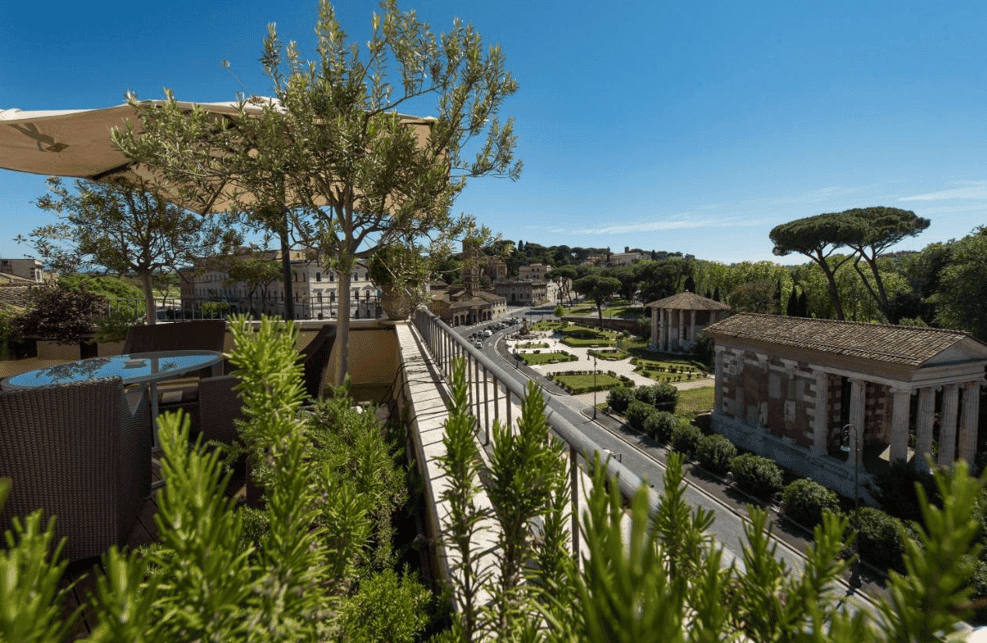
Figure 4. Fortyseven’s olive-tree initiative gives visible form to the hotel’s wider shift from operational sustainability toward a more restorative, landscape-conscious model of luxury hospitality.
Hotel Fortyseven succeeds because it knows how to translate high culture, neighborhood specificity and guest comfort into an experience that feels both elegant and legible. Seen through a technical sustainability lens, it succeeds because it has already built a credible operational platform and is now aligning procurement, mobility, amenities, F&B and agricultural initiatives into a broader narrative of value creation.
The most important conclusion is therefore also the simplest. Hotel Fortyseven is not interesting because it says the right words. It is interesting because the evidence points in the same direction: a boutique Roman hotel with an exceptional archaeological setting is deliberately using sustainability as a baseline and moving, step by step, toward regenerative luxury. In today’s Rome, that is not a cosmetic distinction. It may become one of the most consequential ones.
Regenerative travel is emerging as one of the defining ideas shaping the future of tourism. Yet to understand its true...
Read more →
Strategic Alliance: Regenera Luxury x Ownia Collection, Regenera Luxury is proud to announce a strategic partnership with Ownia Collection, a...
Read more →
Europe’s sustainability framework is reshaping the future of hospitality. In 2026, luxury and boutique hotels can no longer rely on...
Read more →